Locations
Kansas City, MO


Whether you are a business owner, architect, or project manager, we are here to assist you. Elevate your inquiry by filling out the form below. Provide us with some initial details about your project, and we'll get back to you promptly with a customized elevator solution.
Elevator Consulting Kansas City, MO: Expert Services for Safety, Compliance and Performance Optimization
Kansas City has a mix of old buildings and new skyscrapers. This mix creates unique challenges for elevator systems. From the Crown Center and Power & Light District's high-traffic environments to aging residential complexes across the metro, property owners face mounting pressure to maintain safe, compliant and efficient vertical transportation.
Professional elevator consulting provides the expertise needed to navigate complex maintenance decisions, modernization planning and regulatory compliance while avoiding costly downtime and safety violations. Our certified consultants bring decades of hands-on experience to help building owners, property managers and developers make informed decisions about their elevator systems.
We specialize in comprehensive elevator assessments, maintenance contract optimization, and strategic modernization planning tailored to Kansas City's diverse building landscape. Whether you're managing a historic property requiring careful upgrades or overseeing a modern facility needing performance optimization, our data-driven approach ensures your elevators meet Missouri safety standards while delivering reliable service to tenants and visitors.
CALL US TODAY
224-500-0321
Why Elevator Consulting Matters in Kansas City, MO
Kansas City's variety of building styles creates specific challenges for elevator design and upgrades. When updating historic buildings or installing modern systems in new high-rises, it’s important to work with professionals. They ensure that every elevator meets safety regulations and operates reliably in all types of buildings.
Navigating Code Compliance and Safety Standards
Missouri’s elevator regulations are based on ASME safety standards, but navigating full compliance requires specialized expertise. Our consultants guide property owners through inspection schedules, maintenance protocols and accessibility mandates to ensure every elevator system meets state and federal safety requirements.
Key compliance areas include
- Annual safety inspections mandated by the Missouri Department of Public Safety
- ADA accessibility requirements for public-use facilities
- Fire safety integration with building evacuation and alarm systems
- Reliable emergency communication system functionality
Kansas City has a wide variety of building styles, which creates some challenges. Old buildings often need updates to stay safe while keeping their original look. New buildings must use the latest technologies and meet current building standards.
Entertainment venues, in particular, face strict scrutiny due to high occupancy rates and emergency evacuation needs. Facilities must ensure that elevator systems can manage high traffic while upholding safety protocols during peak events.
Routine check-ins and consulting help property owners spot problems early. This allows them to fix issues before they become bigger problems. By proactively addressing regulatory requirements, organizations minimize downtime, avoid costly violations and ensure uninterrupted, safe vertical transportation throughout their facilities.
Addressing the Needs of Mixed-Use Properties
Kansas City's mixed-use developments combine residential, commercial, and entertainment spaces that create unique elevator demands. Each property type has distinct usage patterns and regulatory requirements.
Residential buildings need to be quiet at night and provide dependable service for daily commuting. Commercial spaces need quick response times during busy hours.
Entertainment venues within mixed-use properties must handle surge capacity during events while maintaining normal service for residents. This requires strong control systems and backup plans to make sure everything runs smoothly.
Mixed-use considerations include
- Separate service contracts for different building zones
- Programming restrictions for noise-sensitive areas
- Enhanced security integration between property types
- Coordinated maintenance schedules to minimize disruptions
We create service plans tailored to each property type. Our plans balance different needs and ensure that every property gets the attention it deserves.This approach prevents conflicts between different user groups and maintains satisfaction across all building occupants.
Preventing Costly Downtime and Mechanical Failures
Elevator downtime creates immediate problems for building operations and long-term tenant relations. Preventive consulting identifies potential failures before they occur.
Common failure points we monitor:
- Hydraulic system leaks in older installations
- Control system obsolescence and parts availability
- Door mechanism wear and adjustment needs
- Emergency power system functionality
Residential buildings with single elevators face particular risk from unexpected failures. Backup plans and emergency repair protocols become essential for maintaining habitability.
Entertainment venues cannot afford elevator outages during events or peak operating periods. We establish priority maintenance schedules that align with venue calendars.
Regular system health assessments reveal developing issues that maintenance crews might overlook. Early intervention typically costs 60-80% less than emergency repairs. Parts availability planning prevents extended downtime for older systems where components may require special ordering. We maintain relationships with suppliers to ensure rapid response when critical repairs are needed.
Comprehensive Elevator Consulting Services and Solutions
Our
elevator consulting services cover all aspects of vertical transportation—from system assessments and maintenance oversight to modernization and technology upgrades. We ensure every solution supports efficiency, safety and long-term performance.
Elevator System Audits and Performance Evaluations
Our team conducts thorough elevator checks to find problems with performance and compliance early on. Each check examines mechanical parts and safety standards to help avoid costly repairs and downtime.
Key Audit Components:
- Ride quality assessment and vibration analysis
- Door operation timing and safety mechanisms
- Control system responsiveness testing
- Emergency communication system verification
- Load testing and capacity validation
We examine maintenance records to spot repeated problems. Our audits provide clear documentation to set a standard for future improvements.
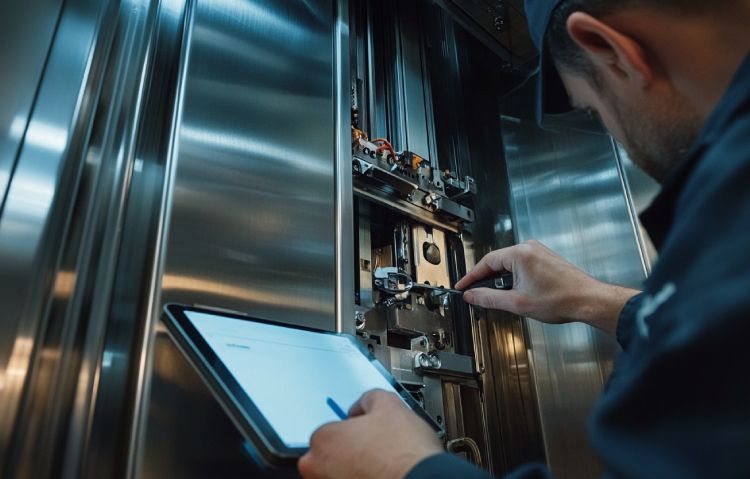
For residential buildings, we prioritize tenant comfort and ensure accessibility standards are met. For entertainment venues, we focus on handling high traffic and peak usage demands effectively.
Our audit reports provide clear recommendations and cost estimates. We point out safety issues that need immediate attention and list timelines for regular maintenance tasks. Learn more about our elevator performance assessments to benchmark and enhance your system’s reliability.
CALL US TODAY
224-500-0321
Modernization Planning and Technology Upgrades
We create plans to update buildings that respond to immediate needs and support long-term goals. We consider traffic patterns, how buildings are used and budget limits during our planning process.
Modernization Planning Elements:
- System lifecycle assessment and replacement timing
- Energy efficiency upgrade opportunities
- Technology integration for smart building systems
- Accessibility improvements and ADA compliance
We look at whether updating part of a system or replacing it entirely provides better value. We suggest doing detailed cost-benefit analyses for different upgrade options.
For entertainment venues, we provide systems designed to efficiently manage large crowds during busy periods. For residential buildings, we offer reliable and energy-efficient solutions.
We work with architects and contractors on modernization projects to ensure installations meet specifications and code requirements. For larger retrofit or upgrade projects, explore our
elevator modernization services to align your systems with Kansas City’s evolving standards.
CALL US TODAY
224-500-0321
Frequently Asked Questions
Property owners and building managers often have specific questions about elevator consulting services. These concerns typically focus on service scope, compliance requirements, cost management strategies, project applications, tenant satisfaction and consultant qualifications.
What essential services do elevator consultants offer to property managers and building owners?
We provide comprehensive elevator system assessments that evaluate ride quality, door operation, and control system responsiveness. Our audits include maintenance history reviews and safety code compliance checks.
Project management services cover modernization planning from initial assessment through completion. We help coordinate contractors, manage timelines, and ensure installations meet specifications.
Maintenance oversight involves reviewing service contracts and holding vendors accountable for performance standards. We benchmark maintenance practices against industry standards and recommend contract improvements.
Our compliance inspections ensure adherence to Missouri and ASME safety standards. We identify code violations and provide remediation plans to bring systems into compliance.
How does professional elevator consulting ensure compliance with safety and building codes?
We conduct thorough safety audits that examine emergency communication systems, door sensors, and safety devices. Our inspections verify compliance with current Missouri elevator codes and ASME standards.
Code compliance reviews include documentation of safety testing records and certification renewals. We identify gaps between existing installations and current regulatory requirements.
Our consultants stay current with evolving safety standards and code updates. We provide guidance on required upgrades when regulations change or buildings undergo renovations.
We assist with inspection preparation and coordinate with local authorities. Our documentation ensures smooth approval processes for new installations and modernization projects.
In what ways can an elevator consultant contribute to long-term cost savings for elevator maintenance and upgrades?
Preventive maintenance planning, consultants minimize unexpected repair expenses by detecting and addressing potential issues early. They tailor maintenance schedules to each system’s age, condition and usage patterns for maximum efficiency.
Strategic modernization timing helps avoid expensive emergency replacements. Consultants assess equipment lifecycles to recommend upgrades at the most cost-effective intervals—extending service life and preventing downtime.
Contract optimization ensures you pay only for necessary services at fair market rates. By auditing existing maintenance contracts, consultants uncover overcharges, missed service items and opportunities for better vendor performance.
Energy efficiency evaluations reduce ongoing operational costs. Implementing advanced control systems, regenerative drives, and LED lighting upgrades can dramatically lower utility bills while improving system performance.
What are the typical reasons for hiring an elevator consultant in urban development projects?
New construction projects require elevator specification development and contractor selection guidance. We help developers choose appropriate systems for their building type and traffic requirements.
Code compliance verification ensures installations meet local building requirements. Our expertise prevents costly delays from failed inspections or code violations.
Vendor accountability becomes critical in large projects with multiple contractors. We provide oversight to ensure elevator work meets contract specifications and quality standards.
Budget protection involves reviewing contractor proposals and change orders. We identify inflated costs and recommend value engineering opportunities without compromising safety or performance.
How can elevator consulting services improve tenant satisfaction and system reliability in residential complexes?
Performance monitoring identifies issues that affect daily elevator operation. We track wait times, door malfunctions, and service interruptions that impact resident experience.
Maintenance quality oversight ensures service providers perform required tasks consistently. Poor maintenance leads to frequent breakdowns and tenant complaints.
Modernization recommendations improve ride quality and reliability in older buildings. Updated control systems reduce wait times and provide smoother operation.
Emergency response planning ensures rapid restoration of service during outages. We help establish protocols for backup power systems and emergency communications.
What qualifications should one look for in an elevator consulting firm to ensure competent and certified expertise?
Look for industry-recognized credentials such as QEI (Qualified Elevator Inspector) certification and manufacturer-specific training. These credentials confirm a consultant’s proficiency in elevator systems, safety standards and code compliance.
Prioritize firms with extensive hands-on experience in elevator maintenance, installation and inspection. This background ensures a deep understanding of both legacy systems and modern elevator technologies.
Ensure the firm holds all required professional licenses, which may include engineering or elevator inspection certifications. In states like Missouri, specialized qualifications are mandatory for inspection services.
Finally, review the firm’s
project portfolio. Proven success in similar building types, modernization projects and maintenance programs demonstrates both technical capability and dependable performance.