Locations
Spokane, WA


Whether you are a business owner, architect, or project manager, we are here to assist you. Elevate your inquiry by filling out the form below. Provide us with some initial details about your project, and we'll get back to you promptly with a customized elevator solution.
Elevator Consulting Services in Spokane, WA: Expert Solutions for Safer and More Reliable Building Operations
Elevator systems in commercial buildings throughout Spokane handle thousands of trips daily, and when they underperform, the impact reaches tenants, operations, and budgets quickly. Working with an independent elevator consulting team gives property owners objective guidance on modernization, maintenance oversight, code compliance and long-term capital planning — without the conflicts of interest that come from relying solely on a contractor.
Many Spokane buildings are handling old elevator equipment while trying to meet higher tenant expectations and tighter budgets. Our elevator consulting services help local businesses and property owners spot problems early, hold contractors accountable and make smart choices about repairs and upgrades.
Professional elevator consulting improves building safety, operational reliability and long-term system performance while helping property owners make informed maintenance, modernization and compliance decisions. It also answers common questions owners have when evaluating elevator improvement options.
Commercial Elevator Consulting for Safer and More Reliable Building Operations
Commercial and industrial properties need reliable elevator systems that work consistently, follow safety standards and support long-term building use. Consulting services can help spot problems before they become bigger issues with the infrastructure.
Elevator Modernization Consulting for Aging Equipment and Outdated Systems
Older elevator systems often have unreliable controls, frequent breakdowns, a rough ride and outdated parts that are hard to replace. Professional elevator modernization consulting helps property owners decide which upgrades will enhance reliability, efficiency and passenger safety. This approach prevents wasting capital budgets on unnecessary work.
Modernization consulting services may include
- Equipment condition evaluations
- Elevator modernization planning
- Lifecycle forecasting
- Infrastructure assessments
- Energy efficiency upgrades
- Elevator renovation consulting
- Long-term capital planning
Upgraded systems increase tenant confidence, improve ride comfort and ensure smooth operations in commercial buildings. Modern elevators also reduce emergency repairs and help equipment last longer, making commutes quieter in the morning.
Elevator Maintenance Consulting for Better Performance and Reduced Downtime
Poor maintenance oversight often causes service interruptions, expensive emergency repairs, passenger complaints and shorter equipment lifespans. Elevator maintenance consulting helps property owners improve contractor accountability. It also strengthens preventive maintenance programs and increases operational reliability.
Maintenance consulting services commonly include
- Elevator maintenance audits
- Preventive maintenance evaluations
- Reliability assessments
- Downtime reduction strategies
- Operational performance reviews
- Repair consulting
- Service contract analysis
Preventive maintenance programs reduce unexpected failures and enhance building operations. Reliable elevators improve experiences for everyone in commercial properties.
CALL US TODAY
224-500-0321
Elevator Code Compliance Consulting for Safer Buildings and Regulatory Protection
Elevator systems must meet safety rules, accessibility standards and operational guidelines that change regularly. Hiring a code compliance consultant helps you spot problems early. This can prevent safety risks, legal issues and costly fines.
Compliance consulting services may include
- Elevator safety inspections
- ADA accessibility evaluations
- Compliance audits
- Engineering assessments
- Specification reviews
- Safety improvement recommendations
- Vertical transportation consulting
Regular evaluations keep everyone safe in the building. They help building owners avoid risks and meet regulations. Safe elevators protect the building's reputation and efficiency. This allows property managers to focus on their work without worrying about unexpected issues.
CALL US TODAY
224-500-0321
Elevator Consulting for Hospitals, Hotels, Office Buildings and New Construction Projects
Every building has its own traffic needs, passenger habits and operational requirements. Consulting services provide customized solutions to improve elevator performance for different industries and property types.
Elevator Consulting for Hospitals and High-Traffic Commercial Properties
Healthcare facilities, hotels, office buildings, and busy commercial areas need elevators to work efficiently. If elevators in hospitals break down, it can quickly disrupt patient transport, staff movement and emergency response.
Consulting services for high-traffic facilities may include
- Elevator traffic analysis
- Passenger flow optimization
- Project management support
- Hospital elevator consulting
- Office building elevator planning
- Hotel elevator assessments
- Owner representation services
Traffic analysis enhances elevator efficiency and reduces congestion during peak hours, leading to smoother operations and improved occupant experiences in demanding environments.
Elevator Consulting for New Construction and Development Projects
Planning for elevators in new construction projects should begin early in the design process. Professional consulting assists developers in avoiding inefficient layouts, future modernization issues, traffic bottlenecks and costly redesigns during construction.
New construction consulting services often include
- Elevator design consulting
- Bid review assistance
- Hydraulic elevator consulting
- Traction elevator planning
- Capital improvement forecasting
- Independent consulting services
- Vertical transportation planning
Early planning enhances passenger flow, equipment longevity and operational efficiency after construction. Fixing elevator layout mistakes post-concrete work is rarely a pleasant budget topic.
Frequently Asked Questions
Building owners often have questions about elevator consulting. This includes on-site assessments, maintenance audits, code compliance, traffic analysis and decisions about modernization costs.
What should a building owner expect an independent elevator consultant to review during an on-site assessment?
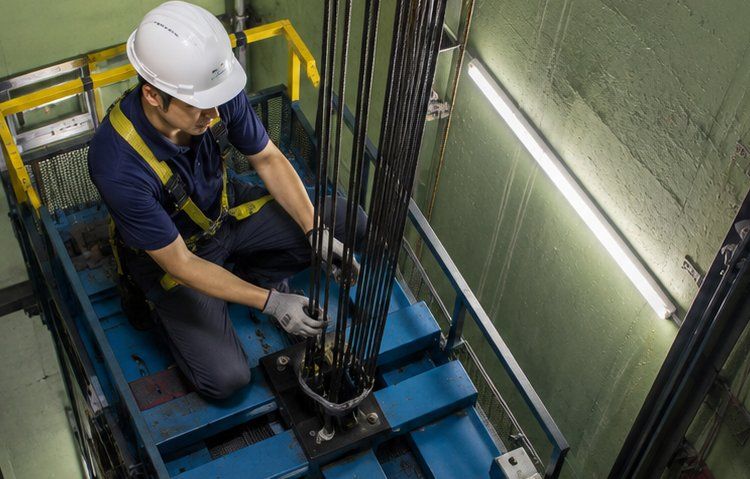
During an on-site assessment, we evaluate the physical condition of all major elevator components, including the machine room, hoistway, cab interior, controls, doors and safety systems. We document wear patterns, component age and any observable code deficiencies.
We also review maintenance logs, service records and existing contractor agreements. This helps us identify gaps between what a maintenance contract promises and what is actually being delivered on-site.
Our assessment produces a written summary of findings with prioritized recommendations. Building owners receive objective information rather than a sales pitch from a contractor with a financial interest in the outcome.
When is it more cost-effective to modernize an elevator system instead of continuing frequent repairs?
When annual repair costs exceed 30% of the estimated modernization cost, repairs yield diminishing returns. In this situation, modernization can restore reliability and extend equipment lifespan.
We consider how easy it is to get parts. When a system depends on old components that are hard to find or take a long time to source, the risk of unexpected downtime goes up, and repair costs often increase.
Other factors that support a modernization recommendation include:
- Recurring door malfunctions or entrapment incidents
- Controls that no longer support remote diagnostics
- Ride quality complaints from tenants or residents
- Energy consumption well above current standards
- Approaching end-of-life for drive systems or hydraulic units
A phased modernization plan can also distribute costs across multiple budget cycles, which makes large upgrades more financially manageable for building owners.
How can a maintenance audit identify gaps in a contractor's preventive maintenance performance and accountability?
We compare what a maintenance contract specifies against physical evidence found on-site. Components that should be lubricated, adjusted, or tested on a regular schedule often show signs of neglect when maintenance is not being performed as agreed.
Maintenance logs are essential. Vague entries, identical service notes or missing safety test records indicate that a contractor may not be fulfilling their obligations.
A maintenance audit typically examines
- Lubrication records and physical evidence of recent application
- Brake adjustment and inspection documentation
- Door operation, timing and sensor testing records
- Safety device test certifications
- Response time data for service calls and callbacks
We use audit findings to help building owners renegotiate contracts, establish performance benchmarks or transition to a more accountable service provider when necessary.
Which elevator code and ADA compliance issues most commonly lead to citations or required corrections in commercial buildings?
Door operation issues are common problems. Doors that close too quickly, do not reopen consistently when blocked or lack working reopening devices can create safety hazards and violate the ADA.
Other common compliance issues we encounter include
- Missing or improperly positioned cab controls for wheelchair users
- Inadequate Braille or raised character signage on panels and jambs
- Non-compliant floor designation announcements for visually impaired passengers
- Emergency lighting and communication system deficiencies
- Leveling accuracy outside acceptable tolerances
Washington State follows ASME A17.1 standards with state-specific amendments and we work with knowledge of both state code requirements and ADA Standards for Accessible Design. Staying current with code updates helps building owners avoid costly retroactive corrections.
How can elevator traffic analysis reduce wait times and improve passenger flow in hospitals, hotels and office buildings?
We analyze passenger demand patterns by reviewing dispatching data, peak usage periods, and car utilization rates. This tells us whether the current number of elevators, their grouping logic and dispatching algorithms are matched to actual building traffic.
Elevator flow in hospitals directly affects how quickly patients are transported and how efficiently staff can work. In hotels and office buildings, high demand during morning and evening peaks leads to issues that poorly designed systems struggle to handle.
Traffic analysis can support decisions about
- Dispatcher software upgrades or replacements
- Destination dispatch system installations
- Express service configurations during peak periods
- Service elevator scheduling adjustments
- Car grouping and zoning strategies
Even without adding new elevators, optimized dispatching and zoning can measurably reduce average wait times and improve passenger experience across all floors.
What should be included in bid reviews and project oversight to control risk, costs and scheduling during elevator modernization or new construction?
During bid review, we evaluate contractor proposals for scope completeness, equipment specifications, parts sourcing transparency, and realistic scheduling assumptions. Bids that lack detail on these points often produce change orders and cost overruns once work begins.
We make sure that the proposed equipment uses parts that are not proprietary whenever possible. Using proprietary parts can restrict building owners to one service contractor after installation. This limits price competition and reduces flexibility in the future.
Effective project oversight includes
- Verified contractor licensing and insurance documentation
- Defined milestone schedules with accountability checkpoints
- Independent inspections at critical installation phases
- Change order review and approval processes
- Documentation of all installed components and serial numbers
We stay involved through completion and acceptance testing to confirm that the finished installation meets the original scope, performs to specification and passes all required inspections before the building owner signs off.
Improve Elevator Performance and Building Safety Today
Professional elevator consulting helps reduce downtime, improve safety and support reliable building operations.
Schedule an elevator assessment today to identify issues early and keep your systems running efficiently.