Services
Building Elevator Assessments for Owners


Whether you are a business owner, architect, or project manager, we are here to assist you. Elevate your inquiry by filling out the form below. Provide us with some initial details about your project, and we'll get back to you promptly with a customized elevator solution.
Building Elevator Assessments: Comprehensive Safety and Compliance Solutions for Property Owners
Managing a building comes with many responsibilities, and one of the most important is your elevator. A detailed elevator assessment gives building owners vital information about safety, compliance, and performance. This information helps you make smart decisions about maintenance, upgrades, and liability protection. If you often experience breakdowns, are preparing to sell a property, or want peace of mind about your elevator system, a professional evaluation can help you manage it better.
Elevator inspections involve more than checking if they meet basic codes. We carefully inspect each component, including the mechanical systems and safety devices. We provide clear documents that explain what needs fixing right away and what may need attention later. Whether you have hydraulic systems in industrial buildings or traction elevators in high-rise structures, each inspection gives you helpful insights based on your specific building and how it’s used.
Elevator issues often occur without warning. Problems like hidden wear, old parts, and changing safety rules can create challenges. Only regular inspections can find these issues. Our assessment process combines technical expertise with clear reporting, ensuring you receive practical recommendations that protect both your investment and your building occupants across the diverse climate conditions and regulatory requirements found throughout the United States.
Industrial & Commercial Elevator Assessment Services for Building Owners
A building’s elevator must deliver dependable safety, comfort, and
code compliance. Our assessment services expose hidden issues, analyze system performance, and equip owners with actionable reporting. Every component is examined to help you manage risk, reduce liability and plan future upgrades intelligently.
Industrial Elevator Condition Assessments & System Inspections
Our elevator condition assessment looks at all important parts to find problems before they become expensive issues. We check the equipment’s condition and provide a clear, prioritized plan for necessary repairs.
We evaluate
- Mechanical operations
- Hydraulic or traction assemblies
- Controller diagnostics
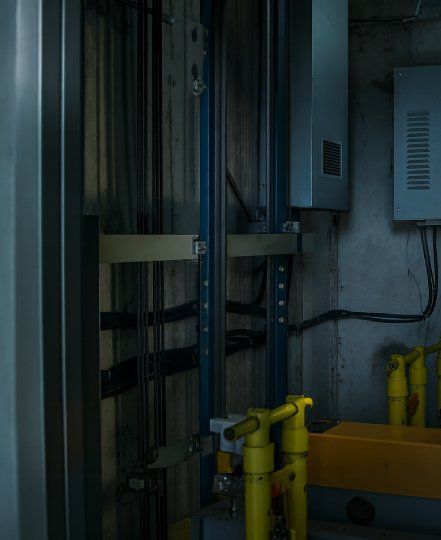
- Hoistway systems
- Door mechanisms and sensors
- Leveling performance and ride comfort
- Emergency functions
- Fire service features
- Machine room condition
- Cab interior safety devices
You gain
- A complete elevator condition report
- Corrective-action priorities
- Remaining service-life estimates
- Realistic modernization and repair cost projections
Elevator Code Compliance Audits & Safety Evaluations
Our code compliance audits confirm alignment with ASME A17.1 and any relevant state regulations. Owners rely on these unbiased evaluations to avoid violations, penalties and unnecessary upselling from service providers.
Audits include
- Maintenance-record review
- Compliance gap identification
- Life-safety system evaluation
- Mechanical integrity checks
- Comprehensive deficiency reporting
Why it matters
- Prevents regulatory issues
- Ensures safe system performance
- Confirms the accuracy of vendor recommendations
Elevator Modernization Assessments & Performance Audits
Modernization assessments determine when upgrading equipment is necessary, cost-effective, or beneficial. We analyze system performance and lifecycle status to guide owners toward the best long-term decision.
We evaluate
- Ride comfort and leveling
- Performance benchmarking
- Energy-efficiency indicators
- Obsolescence risks
- Reliability scoring
- Modernization cost outlines
- Failure-risk projections for 3–5 years
Owners value this because
- It prevents premature upgrading
- It avoids delays that increase repair costs
- It supports accurate capital-budget planning
Elevator Due Diligence, Testing & Long-Term Planning
Due diligence inspections, lifecycle evaluations, and testing services equip owners, managers and buyers with critical documentation for financial planning, liability reduction, and risk management. These evaluations provide complete transparency during acquisition, budgeting, and modernization planning.
Industrial Due Diligence Elevator Inspections
Our due diligence inspections help buyers, sellers, investors and managers understand the condition of equipment before they finalize contracts or make deals. These inspections prevent unexpected costs and hidden problems.
Reports include
- Detailed elevator survey
- Photo documentation
- Deficiency notes
- Cost projections
- Modernization timelines
Elevator Life Expectancy & Reliability Planning
Lifecycle assessments help owners plan for major expenses by identifying remaining service life, upgrade timelines and repair priorities. We ensure your long-term planning aligns with actual equipment condition.
We provide
- Remaining life estimate
- Repair-vs-replacement analysis
- Maintenance program evaluation
- Recommended modernization horizon
Still searching for "Elevator Consultant Near Me?"
Look no further! Call us at
(224) 500-0321 to get started
Frequently Asked Questions
Building owners regularly have questions about elevator assessment timing, costs, and scope. These questions cover everything from routine inspection frequencies to comprehensive modernization evaluations and property purchase due diligence requirements.
How often is a comprehensive elevator assessment required for building owners?
Building owners should check their elevators every 3 to 5 years. The exact timing can change based on how old the elevator is and how often it is used. Older elevators or those in busy places may need checks more often.
Code compliance inspections typically occur annually, but these differ from comprehensive condition assessments. We recommend proactive assessments between major modernization cycles to identify developing issues before they become costly repairs.
What specific elements are examined during a building elevator condition assessment?
We examine mechanical systems including hydraulic or traction equipment, elevator controller performance, and hoistway equipment during every comprehensive assessment. Door systems, sensors, ride quality, and leveling accuracy receive detailed evaluation.
Safety components are thoroughly tested for emergency operations and fire service features. We document and analyze the conditions of the machine room, the car interior, and all safety devices. This helps us understand their current state and how much longer they can be used.
What does a building elevator assessment typically cost and what factors influence this price?
Assessment costs can vary widely based on the type of elevator, the height of the building, and how detailed the evaluation needs to be. Assessing simple hydraulic elevators in low-rise buildings is usually cheaper than evaluating complex traction systems in high-rise buildings.
Geographic location affects pricing due to varying labor rates and code requirements across different states. Additional factors include system age, accessibility of machine rooms, and whether specialized testing equipment is needed for older control systems.
When should a building owner consider an elevator modernization assessment, and what will it entail?
We suggest assessing elevators for modernization when they are 15 to 20 years old or when service calls keep happening due to ongoing problems. Signs that it's time to modernize include poor ride quality, frequent breakdowns, or difficulty finding replacement parts.
The assessment evaluates current system condition against modern standards and energy efficiency requirements. We analyze structural adequacy for upgrades, code compliance gaps, and provide cost-benefit analysis comparing modernization to full replacement options.
Why is a due diligence elevator inspection crucial during a property purchase, and what does it cover?
When buying or selling a property, it’s important to have an independent elevator evaluation. This check can find hidden problems that might lower the building's value or lead to unexpected repair costs. Inspections look for maintenance issues, code violations, and how much longer the elevator is likely to last.
We document current condition, estimate immediate repair costs, and project future modernization needs during due diligence assessments. This information helps buyers negotiate purchase prices and plan capital improvement budgets accurately.
What are the key benefits of scheduling a thorough elevator assessment for building owners?
Regular assessments catch problems before they lead to breakdowns and service disruptions. We give clear repair recommendations that help owners plan their maintenance budgets and avoid emergency service calls.
Comprehensive assessments ensure code compliance and reduce liability exposure for building owners. Documentation from professional assessments supports insurance claims, helps with tenant relations, and provides clear guidance for capital improvement planning.
Schedule Your Comprehensive Elevator Assessment
If you’re ready to strengthen safety, transparency and reliability, now is the perfect time to act. Request your full elevator assessment today and gain the technical insights and documentation you need to protect your investment.
We’re ready to help you maintain dependable elevator performance—schedule your assessment now.