Services
Elevator Energy Efficiency & Sustainability Consulting

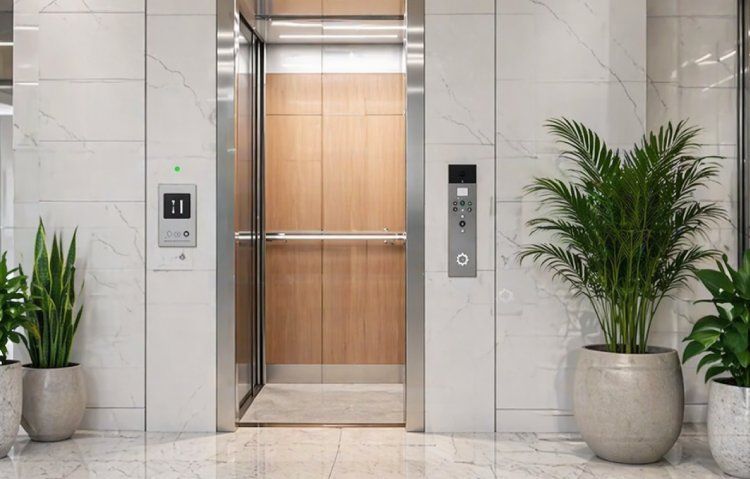

Whether you are a business owner, architect, or project manager, we are here to assist you. Elevate your inquiry by filling out the form below. Provide us with some initial details about your project, and we'll get back to you promptly with a customized elevator solution.
Elevator Energy Efficiency & Sustainability Consulting for Smarter, Greener Buildings
Elevators run continuously across commercial, industrial, and residential buildings, yet their energy consumption rarely receives focused attention. Elevator energy efficiency consulting identifies exactly where vertical transportation systems waste electricity, then delivers targeted upgrades—regenerative drives, smart controls, and standby optimization—that reduce elevator energy consumption and lower operational costs without disrupting performance. Buildings ranging from high-rise offices to industrial freight facilities benefit from these improvements in measurable ways.
We work with building owners and facility managers to assess elevator energy performance through detailed system audits, uncover inefficiencies in aging motors and outdated controls, and implement solutions aligned with ESG benchmarks and energy code requirements. Energy-efficient elevators are not simply a sustainability preference—they represent a practical operational decision that extends equipment lifespan and reduces maintenance demands over time.
Elevator energy efficiency and sustainability consulting spans both commercial and industrial applications, addressing the most common questions building owners face when evaluating these services.
Industrial Elevator Energy Efficiency & Sustainability Consulting
Industrial environments need strong and efficient elevator systems that can handle heavy loads and constant use. Energy efficiency consulting for industrial elevators aims to lower energy use while keeping these systems durable and reliable in tough working conditions.
Industrial Energy Optimization Strategies for Elevator Efficiency
Industrial systems need special solutions to balance performance and energy savings. Elevator energy management systems improve every part, from motors to controls, to ensure high efficiency while keeping output and safety standards intact.
- Installation of regenerative drives for elevators to recover braking energy
- Advanced elevator standby mode optimization during idle cycles
- Integration of smart elevator energy systems for real-time monitoring
- Elevator HVAC energy optimization in freight and service units
- Precision control upgrades for load balancing and energy reduction
These strategies help reduce waste, improve system responsiveness and lower energy use. The result is a high-performing elevator system that supports industrial productivity while significantly reducing operational costs.
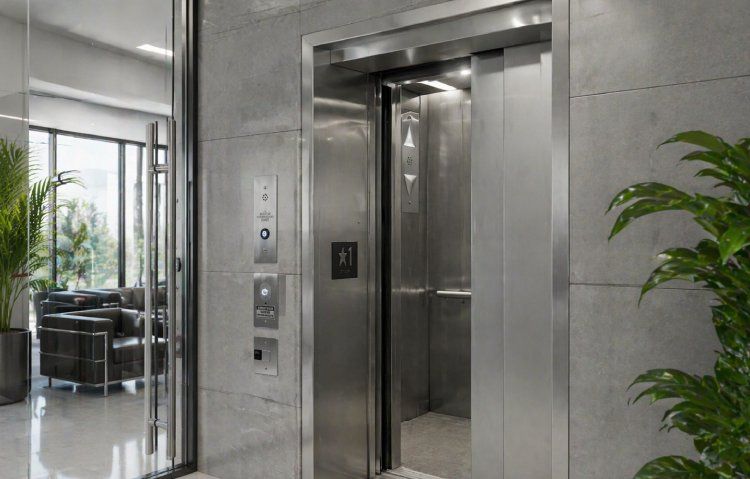
Benefits of Industrial Elevator Efficiency Upgrades
Energy-efficient building elevators offer important benefits in industrial facilities where reliability and uptime matter. To improve elevator performance, you need to operate efficiently and manage costs well.
- Reduced electricity consumption during peak demand cycles
- Lower maintenance costs due to optimized system loads
- Extended equipment lifespan and reduced wear
- Compliance with energy code requirements and sustainability goals
- Improved system reliability in high-demand environments
Industrial upgrades prove that efficiency and productivity work together—because no facility benefits from an elevator that wastes power like it’s on a caffeine binge.
Elevator Retrofit Energy Efficiency Services for Industrial Systems
Retrofit strategies provide cost-effective improvements without requiring full system replacement. Elevator green retrofit consulting services help upgrade important parts of elevators to save energy right away and improve performance over time.
- Modernization of outdated drive systems and controllers
- Implementation of energy-efficient elevator upgrades
- Integration with smart building systems
- Reduction of energy waste through system recalibration
- Improved performance through targeted component replacement
These upgrades deliver rapid ROI while minimizing operational disruptions, making them ideal for facilities that cannot afford downtime.
Commercial Elevator Sustainability Consulting Services
Commercial buildings need to cut energy use, meet sustainability goals and improve tenant satisfaction. Commercial elevator sustainability consulting helps companies make their elevators more efficient and perform better. This approach focuses on upgrades that save energy and improve overall performance.
Energy Efficient Elevator Upgrades for Commercial Buildings
Modernization is crucial for lowering energy consumption and improving user experience. Elevator modernization consulting identifies the best elevator modernization for energy savings and implements targeted solutions.
- Elevator LED lighting upgrades to reduce energy usage
- Smart building elevator energy solutions for optimized traffic flow
- Elevator power consumption reduction through efficient motors
- Installation of regenerative drives for energy recovery
- Enhanced control systems for improved performance
These improvements reduce costs while delivering smoother, faster, and more reliable elevator operation. Tenants may never thank you directly—but they’ll definitely notice when things run better.
LEED Elevator Consulting Services and Sustainability Compliance
Sustainability is important for businesses today. It can give you a competitive edge. LEED elevator consulting services help make sure your systems meet green building certification standards and environmental goals.
- Elevator carbon footprint reduction strategies
- Alignment with energy code compliance elevators
- Improved building energy performance scores
- Support for ESG reporting and sustainability initiatives
- Enhanced property value and marketability
Using sustainable elevator systems in buildings helps protect the environment and makes operations more efficient.
Still searching for "Elevator Consultant Near Me?"
Look no further! Call us at
(224) 500-0321 to get started
Frequently Asked Questions
Elevator efficiency upgrades involve real numbers, specific technologies, and measurable outcomes. Understanding how regenerative drives work, what an energy audit covers, and how dispatching logic affects power consumption helps building owners make informed decisions.
How much energy and cost savings can most buildings expect from elevator efficiency upgrades?
Elevators use 2% to 10% of a building's total energy, depending on how often they are used and the building's height. In high-traffic commercial buildings, that figure sits toward the upper end of that range.
We generally see energy reductions of 20% to 40% after a full efficiency upgrade, depending on the existing system's age and condition. Buildings with older fixed-speed motors and no standby management tend to show the largest improvements. Facilities with newer baseline equipment may see more modest but still meaningful reductions.
Cost savings depend on utility rates, hours of use and specific upgrades. A building that spends $30,000 a year on elevator electricity can save $9,000 each year with a 30% reduction. This amount does not include additional savings from lower maintenance costs due to less stress on the system.
Which retrofit measures typically deliver the fastest ROI without replacing the entire elevator system?
Standby mode optimization is one of the fastest-payback measures available. Elevators spend a significant portion of their operating hours idle, and reducing lighting, ventilation and control power during those periods delivers immediate savings with low installation cost.
Upgrading your existing motor systems to variable frequency drives (VFDs) can save you money. VFDs help cut energy use by allowing motors to speed up or slow down as needed and you won’t have to replace the motor. Switching to LED cab lighting is another simple and cost-effective upgrade that will not disrupt your daily operations.
Dispatch control software upgrades, which improve how elevators respond to call patterns, reduce unnecessary trips and idle movement. These software-based changes often have lower upfront costs than hardware retrofits while still delivering measurable reductions in electricity use.
What is a regenerative drive, and when does it make sense to install one on an existing elevator?
A regenerative drive captures the energy produced when an elevator slows down or when a descending car carries a load lighter than its counterweight. Instead of wasting this energy as heat, the drive converts it into electricity and sends it back to the building's power grid.
This technology makes the most sense in high-traffic buildings where elevators run frequently throughout the day. The more trips an elevator completes, the more braking energy is available to recover. In lower-traffic buildings with minimal daily travel cycles, the payback period extends and the financial case weakens.
We assess motor compatibility, drive room space and average daily travel before recommending regenerative drive installation on an existing system. Not every elevator configuration supports retrofitting, and a system diagnostic is necessary before committing to this upgrade.
What does an elevator energy audit include, and what data is needed to complete it?
An elevator energy audit measures actual energy consumption during both active operation and standby periods. We use metering equipment to capture real-time power draw across full travel cycles, including acceleration, constant speed, deceleration and idle states.
The audit also evaluates the existing motor type, drive system, lighting, controls and any standby management currently in place. Building usage data—including daily trip counts, peak traffic hours, occupancy schedules, and current utility rates—is required to model savings potential accurately.
The output is a prioritized list of upgrade recommendations with estimated energy reductions, implementation costs, and projected payback periods. That data forms the basis for every efficiency decision we make on a project.
How can elevator controls and dispatching be optimized to reduce power use while maintaining traffic performance?
Elevator dispatch algorithms decide which car responds to each call and the order in which they do so. Old control systems send cars on longer routes, which wastes energy and increases travel distance without helping to reduce wait times for passengers.
Modern dispatch optimization uses real-time traffic data and predictive algorithms to arrange calls effectively. This helps reduce empty trips and places cars on floors where demand is most likely to happen next. As a result, it lowers total motor run time per hour without increasing average wait times.
We also configure zone-based dispatching in multi-elevator banks, which keeps a subset of cars active during off-peak hours while placing others in a low-power standby state. This approach is particularly effective in office buildings where traffic is concentrated in the morning, midday and evening periods.
How do elevator modernization projects support LEED goals, ESG reporting, and energy-code compliance?
LEED certification for Existing Buildings: Operations and Maintenance (EBOM) recognizes buildings that successfully reduce energy use. This certification measures how much energy a building saves in its systems. Elevator modernization contributes directly to energy performance credits when upgrades are documented with pre- and post-metering data.
For ESG reporting, elevator energy consumption is part of a building's Scope 2 emissions profile. Documented efficiency improvements reduce reported electricity consumption and lower the associated carbon emissions figures that appear in sustainability disclosures to investors and stakeholders.
Energy codes in several U.S. jurisdictions now include standby power limits and efficiency standards for elevator systems. We ensure that all retrofits and new installations meet applicable ASHRAE 90.1 provisions and local amendments, which protects building owners from compliance exposure during permit reviews and audits.
Book Your Elevator Efficiency Assessment
Energy waste is expensive—and unnecessary. Take control of your building’s performance with expert elevator energy efficiency consulting.
Schedule your elevator energy audit today and uncover hidden savings opportunities immediately.
Ready to modernize your system and reduce costs?
Invest in elevator sustainability consulting services. Make your elevators energy-efficient, so they perform better and cost less.