Elevator Consulting for Hospitals: Essential Safety and Performance Strategies for Healthcare Facilities
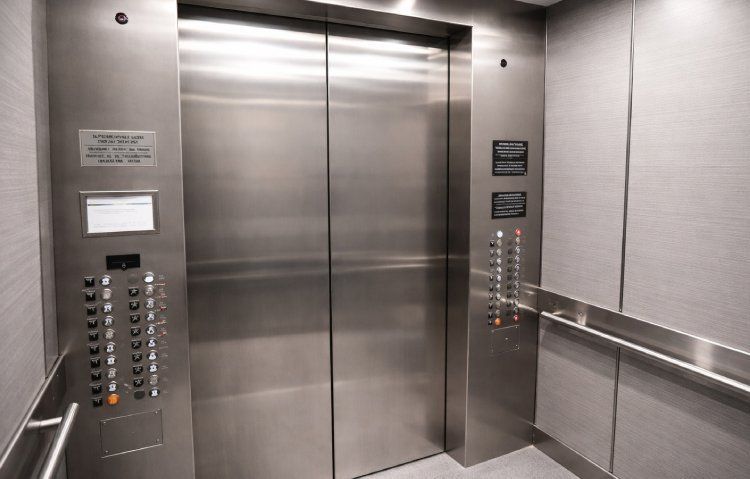
Hospital elevators are essential for healthcare facilities. They transport patients, equipment and staff between floors. Every second counts in healthcare, so these elevators play a crucial role in improving patient care. Elevator consulting for hospitals focuses on key issues that go beyond basic commercial needs. It aims to keep patients safe, control infections, follow regulations and ensure smooth operation at all times. Healthcare buildings need vertical transportation systems that can effectively manage emergencies, support complex workflows, follow strict regulations, and provide consistent service without interruptions.
We understand that hospital elevators face unique demands including the transport of patients on gurneys, heavy medical equipment and urgent emergency responses that require immediate access. An elevator consultant specializing in healthcare facilities evaluates traffic patterns during shift changes, visiting hours, and emergency scenarios to design systems that prevent bottlenecks and delays. These professionals analyze clinical adjacencies, patient flow and operational requirements to create solutions that support rather than hinder care delivery.
Our analysis focuses on important points. We look at how to separate traffic for patients, visitors, and staff. We also plan for system failures and ensure we follow healthcare regulations. Hospital elevator consulting encompasses planning and design phases, capacity analysis, reliability strategies and long-term performance optimization to ensure these vital systems enhance patient care while reducing operational risks across diverse clinical environments.
Industrial Elevator Consulting for Hospitals and Healthcare Facilities
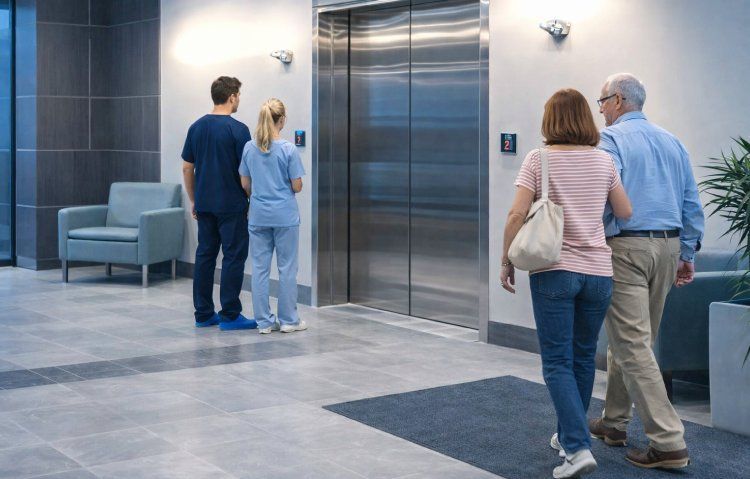
Healthcare buildings demand specialized vertical transportation strategies that balance speed, safety, compliance, redundancy and patient dignity while supporting clinicians, visitors and service teams simultaneously, every hour of every day, without interruption.
Hospital Elevator Planning and Design Consulting for Healthcare Environments
Hospital elevator planning begins long before construction or renovation. Consultants evaluate clinical adjacencies, projected growth, patient acuity and operational workflows to design systems that support care delivery rather than obstruct it. Strategic planning reduces bottlenecks, improves emergency readiness and prevents costly redesigns.
Key planning and design priorities include
- Separation of patient, public and service traffic
- Dedicated bed and gurney elevators
- Emergency department and surgical floor zoning
- Vertical circulation aligned with clinical workflows
- Long-term scalability for hospital expansion
Thoughtful design ensures elevators accommodate beds, imaging equipment and staff movement without friction, delays or safety compromises.
Healthcare Elevator Traffic Analysis and Capacity Planning
Healthcare elevator traffic analysis models real-world usage across peak periods such as shift changes, visiting hours, emergencies and mass-casualty scenarios. Capacity planning prevents congestion that can delay care and frustrate staff.
Consultants analyze
- Patient transfer volumes and timing
- Staff circulation patterns
- Visitor traffic fluctuations
- Emergency surge requirements
Advanced simulations improve the number of cars, their speeds and dispatch systems. This ensures that response times remain predictable, even in stress-filled situations.
Hospital Elevator Reliability and Redundancy Consulting
Hospitals cannot have downtime. Elevator reliability consulting focuses on having backup systems, integrating backup power, and building strong systems. This ensures that services continue during failures or emergencies.
Reliability strategies include
- Redundant controller configurations
- Emergency power and generator integration
- Priority dispatch for critical care
- Proactive failure risk analysis
This approach protects patient safety while preserving operational continuity across the entire facility.
Patient Transport, Safety and Infection Control Elevator Consulting
Hospital elevators play a key role in patient care, staff productivity and controlling infections. Consulting services address these clinical realities with precision-focused solutions designed for healthcare environments.
Patient Transport Elevator Consulting and Bed Accommodation Requirements
Patient transport elevators must hold beds, gurneys, bariatric equipment and life-support systems safely. Consultants check the size of the vehicle, the door openings, ride comfort and loading capacity. They do this to ensure transfers are safe and respectful.
Critical considerations include
- Hospital bed and bariatric clearance standards
- Smooth acceleration and deceleration
- Wide, reliable door systems
- Equipment maneuverability
Good planning avoids delays and makes patients more comfortable during transport.
Infection Control and Hospital Elevator Hygiene Strategies
Infection control elevator consulting helps reduce the spread of germs in elevators. This is done by managing materials, airflow, and limiting touchpoints. Elevators carry thousands of people every day, which makes them important areas to address for preventing illness. Without proper measures, they can help transmit diseases.
Recommended infection control measures include
- Antimicrobial cab finishes
- Touchless call and dispatch systems
- Enhanced ventilation and filtration
- Zoning for isolation and sterile transport
These strategies align with hospital-wide infection prevention protocols.
Frequently Asked Questions
Hospital elevator consulting focuses on keeping patients safe, following rules and preventing infections. This type of consulting is different from regular elevator services. Consultants prioritize timing, understand regulatory requirements and develop strategies to update systems. Their goal is to keep healthcare facilities running smoothly.
What specific factors distinguish hospital elevator consulting from general commercial elevator services?
Hospital elevator consulting needs specialized knowledge in clinical workflows, patient safety and healthcare regulations. We focus on infection control, medical equipment compatibility and emergency response capabilities. These areas can be overlooked by standard commercial consultants.
Healthcare elevators must accommodate gurneys, hospital beds and life support equipment while maintaining strict hygiene standards. Consultants evaluate traffic separation between patients, visitors and service personnel to prevent cross-contamination and optimize care delivery.
Emergency power integration and priority dispatch systems become critical in hospitals where elevator failures can directly impact patient outcomes. We design redundant systems that ensure continuous operation during power outages or equipment failures.
At what stage of hospital construction or operation is it advisable to engage with an elevator consulting service?
Start elevator consulting during the pre-design phase of hospital projects. This ensures that elevators are placed next to clinical areas and fit well with daily operations. Getting involved early can save money by avoiding expensive redesigns and helps achieve the best placement in the hospital's vertical transportation system.
For existing hospitals, consulting becomes valuable during strategic planning phases, major renovations or when experiencing operational inefficiencies. We evaluate current performance against evolving healthcare standards and patient volume projections.
To plan for modernization, you should start working with a consultant 12 to 18 months before you implement changes. This time allows you to align with hospital operations and reduce service disruptions. It also enables you to assess needs thoroughly and create a step-by-step upgrade plan.
How do elevator consultants address infectious disease control within hospital vertical transportation systems?
We use air filters, antimicrobial surfaces, and touchless controls to reduce the spread of germs in elevator cars. Our ventilation system ensures good air flow and helps prevent contamination between floors.
We use traffic management strategies to keep infectious patients separate from the general population. This is done through special elevator assignments and clear operational protocols. Our systems help with isolation procedures while allowing staff to move efficiently.
We choose surface materials and cleaning methods that can handle regular disinfection without getting damaged. Consultants work with infection control teams to create maintenance procedures that meet hospital hygiene standards.
Which regulatory considerations are crucial for hospital elevators that may not apply to standard elevators?
Hospital elevators must follow specific building codes for healthcare, standards set by the Joint Commission and requirements from the Americans with Disabilities Act. We navigate complex regulatory frameworks that address patient transport, emergency evacuation and medical equipment compatibility.
Fire safety regulations for hospitals include specialized requirements for elevator operation during emergencies and integration with hospital alarm systems. Seismic standards may be more stringent in healthcare facilities to ensure post-disaster functionality.
State health department regulations often mandate specific elevator features for patient areas, including stretcher compatibility and emergency communication systems. We ensure compliance with all applicable local, state, and federal healthcare facility requirements.
In what ways can the modernization of hospital elevators be carried out to minimize impact on hospital operations?
We modernize elevator systems in stages to ensure that the hospital always has enough vertical transportation capacity through elevator modernization and upgrades. We work closely with hospital administrators to plan the timing of upgrades, avoiding disruptions during busy periods.
Temporary service strategies may include portable lifts or modified traffic patterns that preserve patient transport capabilities during construction phases. We develop contingency plans that address emergency scenarios and critical patient movements.
Work at night and on weekends helps avoid interruptions to clinical operations while allowing for the installation of major components. Building parts in advance and preparing them off-site saves time and reduces disruptions during construction.
What role does lifecycle planning play in the management of hospital elevator systems?
Lifecycle planning helps hospitals know when to replace their equipment. This approach helps them stay within budget and reduces the chances of unexpected breakdowns that can affect patient care. We create maintenance plans to extend the life of the equipment and ensure it remains reliable.
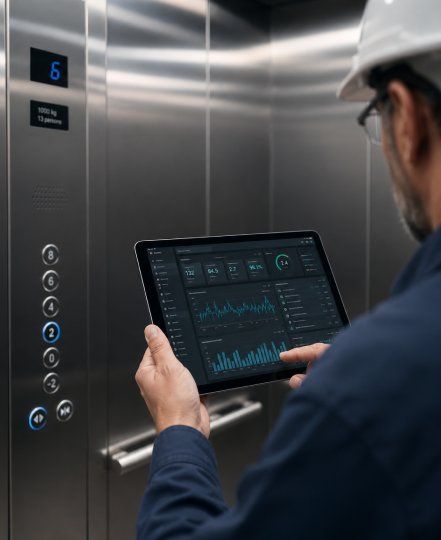
Performance monitoring and predictive maintenance programs can spot potential problems before they disrupt hospital operations. This approach helps to reduce emergency repairs and allows for planned maintenance during quieter times.
Long-term planning considers hospital expansion, changing patient demographics and evolving medical technologies that may require different elevator capabilities. We create adaptable systems that accommodate future healthcare delivery models without major infrastructure changes.
Take the Next Step Toward Smarter Hospital Elevator Performance
Hospital elevators support patient care every minute of every day. Strategic elevator consulting transforms these systems into reliable, compliant and high-performing assets that enhance safety, efficiency and clinical outcomes.
Take action now to assess your hospital’s vertical transportation strategy, identify risks, and unlock performance improvements. Begin with a professional elevator evaluation and build systems that support healthcare excellence—without delays, disruptions or compromise.
Ready to work with Mountain Cross Consulting?
Let's connect! We’re here to help.
Send us a message and we’ll be in touch.
Or give us a call today at 224-500-0321
Agency Contact Form
More Marketing Tips, Tricks & Tools
Blog