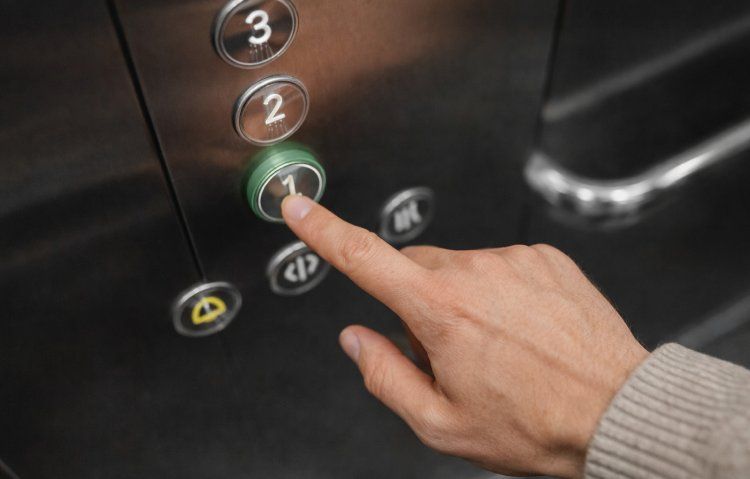
Top 5 Elevator Contract Pitfalls to Avoid: Essential Protection Strategies for Building Owners
Elevator maintenance contracts may look simple at first, but they often hide many complications. These issues can seriously impact a building's budget and affect the reliability of the elevator system. Many building owners discover too late that their seemingly comprehensive coverage contains more exclusions than actual protection, leaving them vulnerable to unexpected costs and service gaps.
The most critical mistake building owners make is failing to scrutinize contract language for vague terms, undefined responsibilities and hidden fee structures that heavily favor service providers over property owners. These agreements often have unclear maintenance responsibilities, vague performance standards, and clauses that shift financial risk from contractors to building operators.
We studied many elevator maintenance contracts across different property types and identified five common mistakes. These mistakes can harm elevator upgrade and raise operational costs. Understanding these common contract flaws helps building owners negotiate stronger agreements that deliver genuine value, predictable pricing and reliable performance standards for their vertical transportation systems.
Industrial Elevator Maintenance Contract Risks That Compromise Performance
Industrial environments need constant vertical movement supported by clear service agreements. Poor contract language can lead to increased downtime, higher costs, and compliance problems. Understanding how the elevator maintenance contract structure affects risk management ensures optimal operational continuity and safety across manufacturing plants, logistics hubs and high-traffic commercial infrastructure.
Vague Scope of Work and Undefined Maintenance Responsibilities
A vague scope of work gives too much freedom to service providers and makes it hard to hold them accountable. This can lead to inconsistent maintenance, shorter equipment lifespans, and unexpected breakdowns. High-performing industries cannot tolerate uncertainty in their service definitions or schedules.
Key vulnerabilities include
- Undefined inspection intervals
- Missing lubrication protocols
- Unclear performance expectations
- Lack of preventative task documentation
- Inconsistent asset monitoring procedures
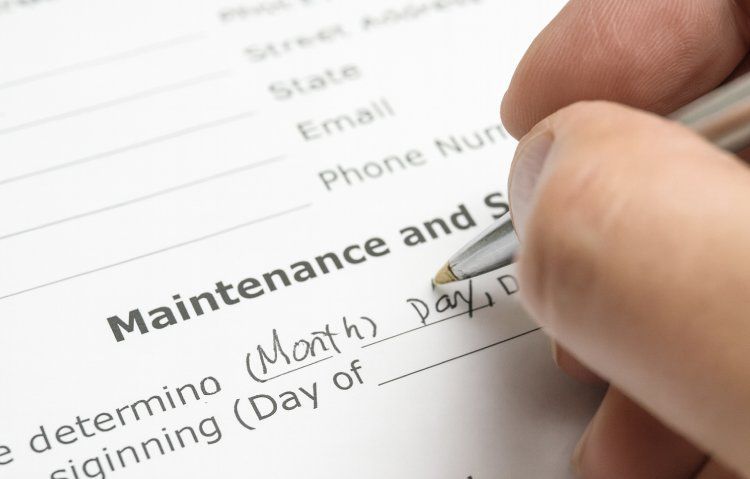
Contracts should clearly define service tasks, schedules and testing requirements to ensure consistent performance and effective
preventive maintenance plans.
Hidden Charges and Escalating Service Agreement Costs
Unlisted fees can take owners by surprise and throw budgets off balance. A low starting rate often masks additional charges that significantly raise total ownership costs. This makes long-term planning for industrial facilities more challenging and uncertain.
Common financial red flags include
- Emergency response premiums
- After-hours labor markups
- Overtime billing clauses
- Administrative processing fees
- Travel or mileage surcharges
Clear pricing keeps your budget safe and builds trust. It takes away guesswork and helps you manage costs more easily.
Incomplete Coverage and Exclusion Clauses
Building owners often find coverage limits confusing. This confusion can result in unexpected repair costs and costly equipment failures.
Frequently excluded components
- Control panels and electronic modules
- Hoist cables and safety circuits
- Door operators and drive systems
- Hydraulic components and modernization labor
- Motor replacements and system modernization solutions are not usually covered by standard plans. You will need to make separate arrangements for these services.
Knowing our coverage limits helps us budget more effectively. This allows us to protect our assets during service disruptions and when systems start to fail.
Performance-Based Pitfalls Within Elevator Service Agreements
Contract performance metrics are essential for ensuring reliability, safety compliance and operational efficiency. If we do not have clear standards, accountability will suffer. This lack of clarity turns service partnerships into reactive relationships that are affected by uncertainty and inconsistency.
Weak Performance Standards and Accountability Gaps
Performance benchmarks set clear quality standards for property managers. These standards help property managers effectively handle service failures and slow response times. Without these standards, they find it hard to resolve these issues.
Critical performance indicators should include
- Guaranteed response timelines
- Maximum downtime thresholds
- Preventive maintenance completion schedules
- Service documentation requirements
- Compliance inspection protocols
Clear service metrics turn maintenance into a controlled strategy, improving safety, efficiency and system uptime.
Lack of Professional Contract Evaluation and Due Diligence
Skipping independent review can lead to serious problems for stakeholders, such as unexpected liabilities, high fees and unbalanced contracts. We review the technical terms to ensure fairness, lower costs and minimize risks before approving the final agreement.
Effective review strategies include
- Comparing multiple service proposals
- Identifying vague terminology
- Analyzing exclusion provisions
- Assessing performance commitments
- Validating cost transparency
Thorough due diligence boosts negotiation power and ensures smarter, long-term service investments.
Frequently Asked Questions
These questions address real-world challenges building owners encounter with elevator maintenance agreements. They cover contract details, cost transparency, coverage limits and how to manage contracts over time.
What specific tasks should be included in a detailed maintenance procedure for elevators?
Comprehensive maintenance procedures must include lubrication of all moving parts according to manufacturer specifications. We recommend contracts specify monthly inspections of door operators, safety circuits and emergency communication systems.
Quarterly maintenance should cover brake adjustments, cable inspections and controller diagnostics. Annual tasks must include full-load testing, emergency power system verification and, where applicable, seismic safety device inspections.
The contract should detail cleaning frequencies for machine rooms, pit areas, and car interiors. Documentation requirements must specify inspection reports, maintenance logs and compliance certificates for regulatory authorities.
How can hidden fees in elevator maintenance contracts be identified and avoided?
Hidden fees often appear in callback charges, parts markup percentages and emergency service rates. We review contracts that include unclear terms like "additional materials" or "unforeseen repairs," which do not have clear pricing.
Many service agreements don’t cover extra charges for repairs done after regular hours. Building owners should set fixed hourly rates for all service calls and limit the markup percentage on replacement parts.
Travel time charges, equipment rental fees, and permit costs represent common hidden expenses. Contracts must clearly state which party bears responsibility for inspection fees, testing equipment and regulatory compliance costs.
Which elevator components are commonly excluded from maintenance contracts and why?
Machine room air conditioning is usually excluded, as it falls under HVAC, not elevator service. Similarly, pit sump pumps and exterior lighting often need their own maintenance agreements.
Aesthetic components such as decorative panels, mirrors and custom flooring are often excluded from standard contracts. These items are considered building finishes rather than operational equipment.
Fire service systems, seismic monitoring equipment and emergency generator connections are frequently listed as exclusions. Service providers argue these components require specialized technicians with different certifications than elevator mechanics.
What performance standards should be incorporated into an elevator service agreement to ensure system reliability?
Response times for emergency calls should be no longer than 2 hours on business days and 4 hours on weekends. Contracts must state the maximum downtime allowed for each incident and the percentage of time services are expected to be available each month.
Performance metrics must include callback rates, preventive maintenance completion schedules and repair quality standards. Contracts should establish penalty clauses for missed service appointments and extended outages.
Uptime guarantees of 98% or higher demonstrate contractor confidence in their service capabilities. Service level agreements must define measurement periods, acceptable downtime categories and compensation for performance failures.
Why is it important to have an independent professional review of elevator maintenance contracts?
Independent consultants identify contract language that favors service providers over building owners. We have observed contracts with automatic renewal clauses, excessive termination penalties and liability limitations that create unfavorable conditions.
Professional reviewers understand industry standards and can benchmark pricing against market rates. They recognize technical specifications that may be inadequate for specific elevator types or building requirements.
Contract consultants help create fair agreements that protect both sides and ensure good service. They use their expertise to avoid expensive mistakes that building owners might overlook without specialized knowledge.
How often should building owners reassess their elevator maintenance contracts to ensure they meet operational and cost requirements?
Annual contract reviews help building owners check if services meet expectations. It’s crucial to track response times, repair quality, and system reliability throughout the year.
Market conditions and the abilities of service providers change over time. To keep costs under control, it is important to reassess your options regularly. Building owners should compare their current contracts with other available options every three to five years.
As equipment ages, we may need better maintenance plans that current contracts do not cover. Regular reviews help ensure that service agreements keep up with the changing needs of the building and new developments in elevator technology.
Engage Smarter. Operate Safer. Protect Your Investment.
Don’t let elevator contract issues turn into bigger problems—contact us today. Take charge of your service agreements with a focus on clarity, accountability, and expert guidance to boost performance and minimize risks.
Optimize your maintenance planning by implementing these proven strategies for smarter contract negotiation and peak operational efficiency.
Ready to work with Mountain Cross Consulting?
Let's connect! We’re here to help.
Send us a message and we’ll be in touch.
Or give us a call today at 224-500-0321
Agency Contact Form
More Marketing Tips, Tricks & Tools
Blog