Elevator Traffic Analysis: Essential Planning for Efficient New Construction Projects
Designing a new building without assessing elevator traffic is like building a highway without analyzing traffic patterns. Elevator traffic analysis for new construction is the systematic evaluation of how people move vertically through a building, using mathematical modeling and simulation software to predict demand, performance and capacity before installation begins. This data-driven approach prevents the costly mistakes that lead to overcrowded elevators, frustrated tenants and expensive retrofits down the line.
The construction environment today has high stakes because building codes are stricter and tenant expectations are higher. We design office towers in busy cities, mixed-use developments in growing suburbs and special facilities like hospitals and industrial complexes. It is important for vertical transportation systems to manage peak demand efficiently.From the morning rush in Manhattan office buildings to shift changes in factories across the industrial heartland, each type of building has its own traffic patterns. These patterns need professional analysis.
We’ll examine why analyzing elevator usage should occur during the planning phase, how advanced traffic modeling works and the benefits decision-makers gain by investing in professional studies early. The following guide covers the essential principles behind effective vertical transportation design and answers the most common questions about implementing traffic analysis in new construction projects.

What Is Elevator Traffic Analysis for New Construction?
Elevator performance analysis for new buildings looks at how people will move using math models, vertical transportation theory, and simulation software. This analysis helps find the best elevator setup before making permanent structural decisions. It ensures performance goals are met while avoiding extra costs and maintaining usable space.
Vertical Transportation Traffic Modeling Explained
Elevator traffic modeling shows how people move between floors during a typical day. It looks at how many people are in the building, how they use the elevators, and when they need them the most. This helps design systems that keep waiting times short and can handle the number of people using them.
Key modeling considerations include
- Occupant load calculations and tenant profiles
- Directional demand during peak intervals
- Elevator speed, car size and group configuration
- Round-trip time and service quality benchmarks
Using accurate modeling helps prevent congestion and keeps elevator systems the right size. This approach lowers both construction and operating costs.
Why Traffic Studies Matter Before Construction Begins
A study of elevator traffic for new buildings impacts the design of elevator shafts and core areas. It is important to address any elevator issues before pouring concrete, as fixing them later can be expensive and disruptive.
Early analysis delivers
- Optimized elevator counts and layouts
- Reduced construction and lifecycle costs
- Improved passenger flow and comfort
- Stronger leasing appeal and tenant retention
Planning early protects both the building’s performance and its financial returns.
Performance Metrics Used in Elevator Traffic Analysis
It focuses on evaluating measurable performance indicators. These metrics help determine if an elevator system meets operational expectations in real-world situations.
Common metrics include
- Elevator handling capacity analysis
- Average and worst-case waiting times
- Round-trip time calculations
- Peak interval performance benchmarks
These indicators help improve the system and provide a clear reason for design choices.
How Elevator Traffic Analysis Services Optimize Building Performance
Elevator wait time optimization uses engineering skills and simulation tools to test many different scenarios. This method ensures that elevator systems work reliably even as demand changes and as needs grow in the future.
Elevator Traffic Analysis by Building Type
Different buildings generate different traffic behaviors. Effective elevator consulting for new construction tailors analysis to occupancy purpose, schedules and operational demands.
Typical applications include
- Office buildings with heavy morning up-peak demand
- Residential towers with staggered daily usage
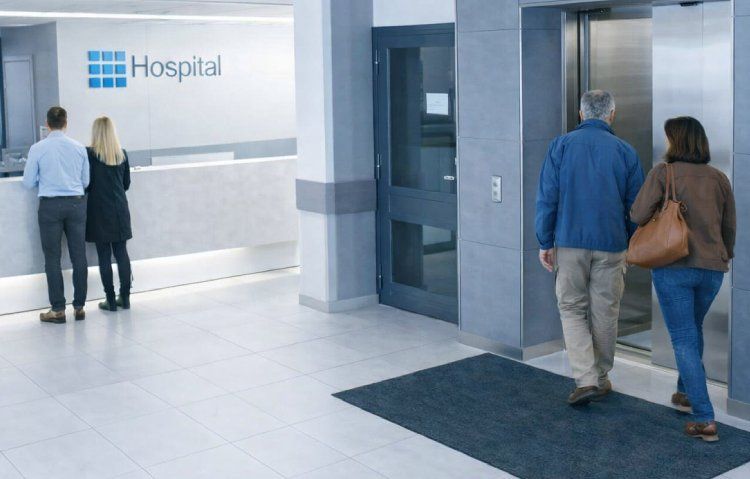
- Hospitals requiring segregated and redundant systems
- Mixed-use developments with conflicting traffic flows
Customized modeling helps each building run efficiently and perform well.
Simulation-Driven Elevator System Optimization
Elevator simulation analysis services check how elevators work during regular use, busy times and unusual situations. Engineers improve the system to make sure it meets performance goals consistently.
Optimization strategies include
- Elevator zoning and grouping
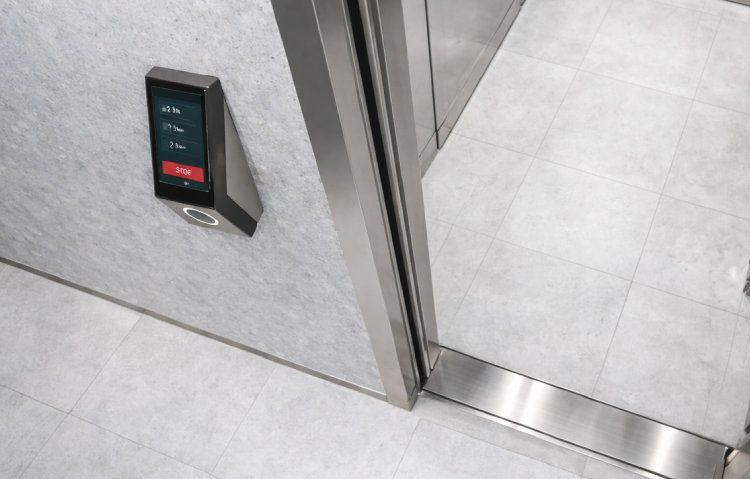
- Destination dispatch algorithms
- Speed and capacity balancing
- Redundancy and reliability planning
Simulation eliminates uncertainty and supports informed decision-making.
Frequently Asked Questions
These questions focus on common concerns about elevator traffic studies. They look at the technical aspects, the financial impact, and how the features of a building affect the analysis.
What are the key benefits of conducting an elevator traffic study during the initial design phase of a new construction project?
Conducting elevator performance analysis during initial design prevents costly corrections after construction begins. We can optimize shaft space allocation, determine the precise number of elevators needed, and establish appropriate speed requirements before architectural plans finalize.
Early traffic studies reduce construction costs by eliminating oversized systems and unnecessary equipment. The analysis looks at whether high-speed elevators, standard capacity cars, or specialized configurations best meet the needs of the building's population density and usage patterns.
Design-phase modeling also ensures compliance with accessibility codes and local building regulations. We establish service quality benchmarks that align with tenant expectations while maintaining cost-effective operations throughout the building's lifecycle.
How do elevator traffic modeling services inform the design and optimization of vertical transportation systems?
Traffic modeling services use math and simulation software to predict how passengers move throughout a typical day. We check how many people arrive, how they leave, and how they travel between floors to find the best elevator handling capacity.
The modeling process determines round trip times, which directly influence the number of elevators required for acceptable service levels. The simulations test different situations, including morning rush hour traffic, lunchtime traffic, and evening traffic when things calm down.
We use this data to specify elevator speed, capacity, and control systems that minimize waiting times while maximizing energy efficiency. The modeling also identifies whether destination dispatch systems or conventional controls better serve the building's traffic characteristics.
How does an accurate assessment of elevator usage affect tenant satisfaction and overall building performance?
Accurate traffic analysis prevents the primary source of tenant complaints in vertical buildings: excessive waiting times and overcrowded elevators. We design systems that maintain average wait times under industry-standard thresholds, typically 25-30 seconds during peak periods.
Proper capacity planning eliminates the frustration of passengers being unable to board elevators during busy periods. This directly impacts tenant retention rates and supports premium leasing performance in competitive markets.
Well-designed elevator systems save money by using energy more efficiently and scheduling maintenance effectively. Buildings with the right-sized elevator systems have fewer mechanical problems and need less frequent repairs.
What criteria are used to determine the handling capacity and waiting time targets in elevator traffic analysis?
We determine how many people an elevator can handle based on building population density and peak demand. We analyze how and when people arrive, the typical distance they travel between floors, and how long it takes to load the elevator. This helps us figure out the number of cars needed per minute.
Waiting time targets depend on the type of building and what tenants expect. Office buildings usually aim for an average wait of 25 to 30 seconds. In contrast, residential towers may allow waits of 45 to 60 seconds during busy times.
When calculating elevator capacity, we look at speed, door operation time, and how quickly passengers board. We also include backup capacity to ensure service continues during maintenance or temporary outages.
How does the purpose and occupancy type of a building influence the approach to elevator traffic analysis?
Office buildings require analysis focused on morning up-peak and evening down-peak traffic patterns, with secondary consideration for lunch period movement. We model intense directional traffic flows and design systems that handle concentrated arrival and departure periods.
Residential buildings have unique challenges because people use them differently throughout the day and on weekends. Hospitals and healthcare facilities need careful planning to address patient transportation, emergency access, and the use of service elevators.
Mixed-use developments demand complex modeling that accounts for multiple occupancy types sharing elevator systems. We analyze how retail, office, and residential traffic patterns interact and design systems that serve all user groups effectively without conflicts.
What are the potential financial and operational risks of omitting a professional elevator traffic analysis in the design of a new building?
Buildings that do not undergo proper traffic analysis often need costly fixes after they are built. These fixes can include adding elevators, expanding shafts, or replacing entire systems. The cost of these changes can be anywhere from hundreds of thousands to millions of dollars. This depends on the size and complexity of the building.
Undersized elevator systems cause ongoing problems, such as tenant complaints, lower leasing performance, and higher employee turnover in office buildings. Property managers feel constant pressure to fix service issues that could have been avoided with proper planning.
Oversized systems waste valuable floor space that could generate rental income while creating unnecessary construction and operating expenses. We often encounter buildings with excessive elevator capacity that ties up capital in unused vertical transportation infrastructure rather than revenue-generating square footage.
Ready to Optimize Your Elevator System?
If you are planning a new construction project, now is the time to invest in professional elevator traffic analysis consulting. Accurate modeling, clear recommendations, and future-ready design make all the difference.
Request a professional elevator traffic study today and ensure your building moves people as efficiently as it was designed to impress.
Speak with a vertical transportation consultant to evaluate your project requirements and develop a traffic strategy that performs from day one.
Ready to work with Mountain Cross Consulting?
Let's connect! We’re here to help.
Send us a message and we’ll be in touch.
Or give us a call today at 224-500-0321
Agency Contact Form
More Marketing Tips, Tricks & Tools
Blog