Remote Elevator Monitoring: Proven Advantages, Best Practices and Predictive Control
Modern elevators are now smart and connected systems. They improve safety, efficiency, and performance in buildings like offices, factories, hospitals, and high-rises across the United States.
When an elevator fails, the consequences escalate fast. Tenants grow frustrated. Patient transport slows. Production schedules break down. Liability exposure increases. Traditional, reactive maintenance cannot meet the demands of today’s complex operating environments.
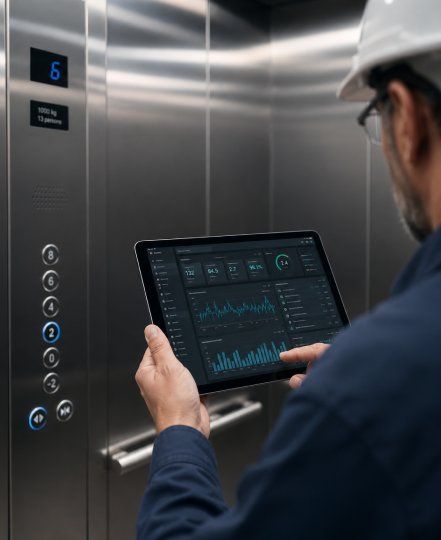
Remote elevator monitoring delivers clarity and control. Through real-time diagnostics, predictive maintenance insights, and cloud-based analytics, elevators shift from unpredictable risks to transparent, high-performing vertical transportation assets.
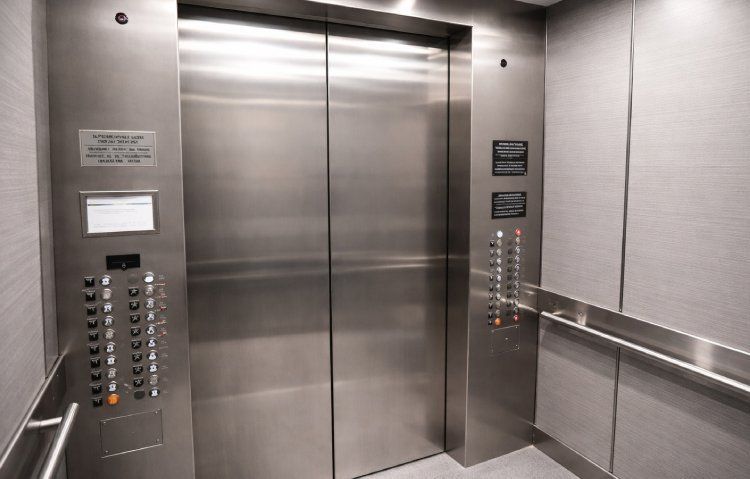
What Is Remote Elevator Monitoring and Why It Matters Nationwide
Remote elevator monitoring connects critical elevator subsystems to secure digital platforms that provide continuous oversight, early fault detection and actionable intelligence across diverse buildings and geographic regions.
How Remote Elevator Monitoring Replaces Reactive Maintenance
Remote monitoring brings together controllers, drives, door operators, braking systems, and safety circuits into one system. This system can detect problems before they cause failures, so there is no need to wait for alarms or passenger complaints. Continuous diagnostics provide clear information on how the equipment is performing, giving operators real-time insight into its condition.
Maintenance teams use verified data to guide their responses. This method reduces unnecessary shutdowns and cuts down on emergency dispatches, which helps keep operations stable. As a result, reliability increases, occupant safety improves, and costs are better controlled in the long term.
Core monitoring capabilities include
- Continuous condition tracking
- Automated fault detection
- Real-time performance alerts
- Secure cloud-based dashboards
- Actionable elevator analytics
Why Real-Time Elevator Monitoring Improves Uptime and Accountability
We use real-time data to quickly find performance issues. We look at how doors operate, how well they level, the motor load and any fault codes. This helps us fix small problems before they turn into bigger ones.Remote diagnostics help us reduce on-site visits and allow our teams to respond more effectively.
Monitoring keeps track of alerts, actions, and results. It ensures accountability and transparency. This helps improve vendor performance, speed up response times, and support decisions based on real operating conditions.
Operational advantages include
- Faster issue resolution
- Fewer passenger disruptions
- Documented service verification
- Improved contractor accountability
How Cloud-Based Elevator Monitoring Scales Nationwide Portfolios
Cloud-based platforms gather elevator data from different properties into one dashboard. This helps organizations create clear reports, spot trends and see a complete picture of their entire portfolio. They can compare the performance of their assets, identify which upgrades are needed and predict maintenance requirements using accurate data.
This centralized approach replaces fragmented reports and anecdotal feedback with standardized insights that support smarter, faster decisions.
Cloud architecture benefits include
- Portfolio-wide visibility
- Standardized performance indicators
- Scalable deployment
- Centralized reporting and analytics
Predictive Elevator Maintenance and Industry-Specific Applications
Predictive elevator maintenance changes how we provide service. Instead of waiting for repairs, we use data to fix problems before they occur. This approach helps elevators run longer and allows us to manage budgets more effectively.
Predictive Maintenance Elevator Systems Explained
Predictive models check how much equipment is used, how parts wear down and environmental conditions to predict failures before they cause problems. We perform service when data shows it is needed, rather than on fixed schedules or during emergencies.
This approach reduces downtime and waste. It also improves how reliably operations run and helps keep costs in check.
Predictive maintenance outcomes include
- Fewer emergency shutdowns
- Longer equipment lifespan
- Optimized labor deployment
- Reduced parts waste
Remote Elevator Monitoring for Commercial and High-Rise Buildings
Commercial and high-rise properties rely on elevators to maintain tenant satisfaction and traffic efficiency. Monitoring supports peak-demand performance, door optimization and dispatch analysis. Even small delays compound quickly when thousands of passengers ride daily.
Using data to gain insights helps us make timely changes that keep traffic moving smoothly, reduce congestion, and protect the building's reputation.
Commercial monitoring advantages include
- Higher tenant satisfaction
- Improved traffic flow
- Predictable maintenance planning
- Portfolio-level performance insights
Elevator Monitoring for Industrial and Healthcare Facilities
Industrial and healthcare settings need reliable systems. Industrial monitoring focuses on heavy loads, fast-paced operations and tough environmental conditions. Healthcare monitoring emphasizes safety verification, leveling accuracy and emergency readiness.
Using data to oversee processes helps ensure we follow safety and accessibility rules set by the Occupational Safety and Health Administration. This approach also reduces risks and exposure in important work environments.
Critical monitoring benefits include
- Reduced operational risk
- Enhanced safety oversight
- Clear compliance documentation
- Minimized exposure to hazardous conditions
Frequently Asked Questions
Remote elevator monitoring raises practical, financial and compliance questions. The answers below address the most common concerns from building owners, property managers and facility leaders.
What is remote elevator monitoring and how does it function in modern buildings?
Remote elevator monitoring uses connected sensors and integrated controllers to collect safety, performance and operational data in real time.
This data is securely sent to cloud platforms that create alerts, diagnostics, and insights before any failures or passenger reports happen. With continuous visibility, we can maintain equipment proactively, improve safety oversight, and increase reliability in different types of buildings.
How does predictive elevator maintenance reduce long-term operating costs?
Predictive maintenance evaluates usage patterns, wear trends and component condition to identify service needs before failures occur.
We carry out maintenance only when data shows it is needed. This helps us reduce emergency repairs and avoid replacing things too early.
Over time, organizations stabilize budgets, extend equipment life and shift from reactive spending to predictable planning.
Is remote elevator monitoring secure for sensitive operational data?
Modern platforms use encrypted data transmission, controlled access and hardened cloud infrastructure.
Only authorized users can view dashboards and analytics. This ensures that access meets governance requirements.
These controls protect data integrity while enabling analysis, audits and informed decision-making.
Can elevator monitoring improve passenger safety and regulatory compliance?
Our continuous diagnostics quickly find problems with doors, braking systems, leveling, and safety circuits.
Automated logs track performance and maintenance actions. These logs help with inspections and audits.
This proactive oversight reduces liability and creates safer environments for passengers and staff.
Which organizations benefit most from enterprise elevator monitoring?
Commercial owners, hospitals, industrial facilities, high-rise properties, and professional property managers see the greatest value.
Any organization responsible for uptime, safety or cost control benefits from continuous visibility.
Enterprise monitoring delivers standardized oversight, predictable maintenance and scalable portfolio control.
Why is remote elevator monitoring no longer optional?
Modern buildings demand transparency, accountability, and intelligence from every critical system.
Remote monitoring has become an industry standard for uptime and safety assurance.
Delaying adoption increases risk, costs, and competitive disadvantage in today’s facilities.
Take Control of Elevator Performance With Predictive Monitoring
Elevators that depend on alarms and after-hours calls exhibit performance gaps. Remote monitoring provides real-time visibility, increased uptime and better financial control.
Schedule a professional consultation to assess your elevator assets, spot risks, and set up monitoring strategies. This will help protect your operations and manage your budget.
Upgrade from reactive maintenance to data-driven control—because elevators should move people, not problems.
Ready to work with Mountain Cross Consulting?
Let's connect! We’re here to help.
Send us a message and we’ll be in touch.
Or give us a call today at 224-500-0321
Agency Contact Form
More Marketing Tips, Tricks & Tools
Blog