How to Manage Elevator Projects Across Multiple Facilities Efficiently: Simplifying Complex Elevator Operations Across Multiple Locations
Managing elevator systems across multiple facilities requires disciplined execution, centralized control and data-driven oversight. In high-demand environments—from commercial high-rises to logistics hubs—elevator systems serve as mission-critical infrastructure. When performance declines, operational disruptions escalate quickly, affecting safety, compliance and tenant satisfaction.
Multi-site elevator project management introduces complexity at every level. Diverse equipment types, multiple service providers, varying regulatory requirements and inconsistent maintenance practices create operational fragmentation. Without a clear framework, inefficiencies build up, costs go up and downtime becomes unavoidable.
This guide delivers a proven strategy for managing elevator projects across multiple properties efficiently. By leveraging centralized systems, expert project management and predictive technologies, organizations can streamline operations, reduce risk and maximize long-term elevator performance across their entire portfolio.
Industrial Multi-Site Elevator Project Management Strategy
Managing elevators across large portfolios demands a scalable, standardized approach. Effective elevator consulting services integrate centralized oversight, vendor alignment, lifecycle planning and compliance management to ensure consistent performance and operational reliability across all facilities.
Centralized Elevator Portfolio Management Systems
Centralization eliminates operational silos and creates a unified management structure across all properties. Organizations that implement centralized elevator portfolio systems gain full visibility into performance, compliance and maintenance activities.
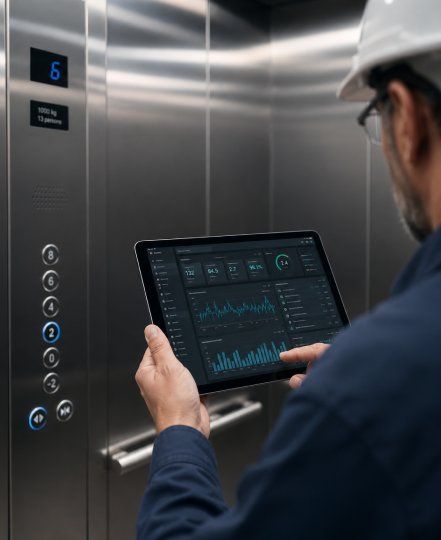
- Deploy real-time elevator monitoring systems for performance tracking
- Utilize asset management platforms to assess equipment health and lifecycle status
- Standardize KPIs, reporting formats, and compliance benchmarks across all sites
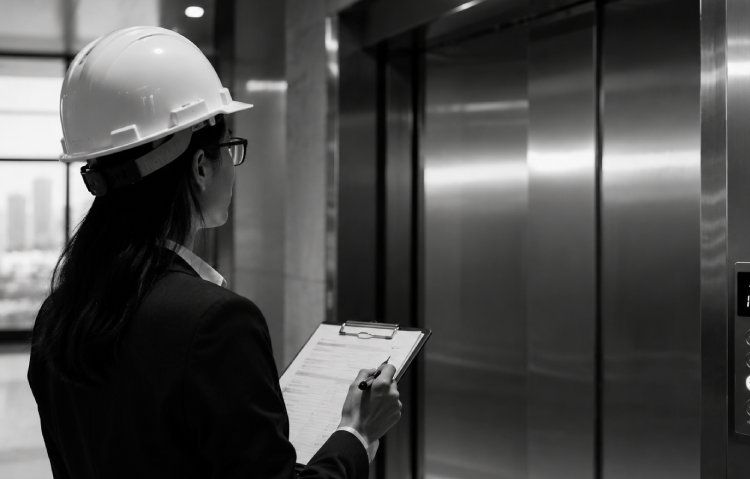
- Integrate compliance tracking tools for audits, inspections and regulatory adherence
A centralized system enables proactive decision-making and ensures consistent operational standards. It transforms fragmented elevator operations into a synchronized, high-performance network.
Dedicated Elevator Project Manager for Multiple Properties
A dedicated elevator project manager ensures accountability, consistency and execution across multiple facilities. Without centralized leadership, projects often experience delays, budget overruns, and miscommunication.
- Coordinate vendors across multiple locations
- Enforce timelines, budgets and performance benchmarks
- Oversee modernization and capital improvements
- Coordinate elevator modernization services across facilities
- Align maintenance, inspections and compliance activities
This role bridges strategy and execution. By integrating vendor coordination with operational oversight, a project manager ensures seamless communication, faster decision-making and reduced project risk.
Elevator Vendor Coordination and Contract Optimization
Inconsistent vendors make it hard to manage elevators at different locations. Standardizing contracts and service expectations improves reliability and helps control costs better.
- Consolidate vendors to reduce operational complexity
- Standardize service-level agreements (SLAs) across all facilities
- Track vendor performance using measurable KPIs
- Implement structured vendor evaluation and accountability systems
Optimized vendor management improves response times, enhances service quality and delivers predictable outcomes across the entire elevator portfolio.
Elevator Workflow Optimization and Performance Efficiency
Efficient elevator operations rely on repeatable processes, predictive maintenance, and advanced analytics. Standardizing workflows and integrating technology ensures consistent execution while minimizing downtime and operational risk.
Repeatable Processes for Multi-Site Elevator Projects
Using standardized workflows helps create consistency and reliable execution in every facility. This organized approach reduces mistakes, improves teamwork and speeds up project timelines.
- Define asset inventories and clearly outline project scope
- Align stakeholders and vendors during the planning phase
- Implement milestone tracking and progress reporting systems
- Schedule inspections and maintenance using centralized coordination tools
These processes support full lifecycle management—from planning and procurement to execution and ongoing maintenance—ensuring predictable, efficient outcomes.
Technology-Driven Elevator Performance Optimization
Technology transforms elevator management from reactive to proactive. Data-driven systems enable early issue detection, performance optimization and continuous improvement.
- Implement predictive maintenance to identify failures before they occur
- Use real-time monitoring dashboards to track system performance
- Apply downtime reduction strategies based on data insights
- Optimize traffic flow and dispatch systems for efficiency
Consultants offer expert knowledge, improve coordination with vendors and set up adaptable systems for complex portfolios.
Frequently Asked Questions
Managing elevator systems across several locations needs clear planning and skilled execution. Here are the most common questions that decision-makers ask when starting multi-site elevator project management solutions.
What is the best way to manage elevator projects across multiple facilities efficiently?
The best approach is to use centralized management systems along with standardized workflows at all facilities. This way, everyone can see how performance, maintenance, and compliance activities are doing.
A dedicated project manager enforces accountability, aligns vendors and maintains timelines. This structured oversight eliminates fragmentation and improves execution consistency.
Using predictive maintenance and performance monitoring tools helps increase efficiency, decrease downtime and ensure long-term reliability in operations.
When should organizations hire elevator consulting services for multi-property management?
Organizations should engage elevator consultants when managing multiple properties, planning modernization projects or experiencing recurring performance or compliance issues.
Consultants offer expert knowledge to help manage complex portfolios. They improve coordination with vendors and set up flexible systems that can grow with your needs.
Early involvement improves budgeting accuracy, enhances planning efficiency and ensures long-term system performance across all facilities.
What factors influence the cost of elevator project management services?
Costs depend on portfolio size, equipment complexity, and the scope of work. Larger portfolios with diverse systems require more resources and coordination.
Additional factors include compliance requirements, vendor management needs and technology integration for monitoring and reporting.
While initial investment may be higher, professional management delivers strong ROI through reduced downtime, improved efficiency and extended asset lifespan.
Can elevator consulting services reduce downtime across multiple facilities?
Professional elevator consulting helps reduce downtime. It does this by using predictive maintenance and real-time monitoring systems.
These technologies identify potential failures early, allowing for proactive repairs before disruptions occur.
This method combines clear workflows with strategies to improve performance. It ensures that the system runs smoothly and becomes more reliable.
Who manages elevator upgrades across large multi-property portfolios?
Elevator upgrades are usually managed by consultants or project managers who have experience with multiple sites.
They coordinate vendors, oversee timelines and ensure compliance with all regulatory standards across properties.
Their expertise ensures consistent execution, minimizes disruption and aligns upgrades with long-term operational goals.
What industries benefit most from multi-site elevator project management?
Industries with high elevator dependency benefit the most, including healthcare, commercial real estate, logistics, and government facilities.
These sectors require strict compliance, minimal downtime, and high system reliability to support daily operations.
Multi-site elevator management solutions provide scalability, efficiency and performance optimization tailored to these demanding environments.
Final Thought
Managing elevator projects across multiple facilities does not require complexity—it requires control. With centralized systems, standardized workflows and expert oversight, organizations can transform fragmented operations into a high-performing, scalable infrastructure.
Request a comprehensive multi-site elevator assessment today to identify inefficiencies, reduce downtime and unlock measurable performance improvements across your entire portfolio.
Because elevator systems should elevate operational performance—not operational stress.
Ready to work with Mountain Cross Consulting?
Let's connect! We’re here to help.
Send us a message and we’ll be in touch.
Or give us a call today at 224-500-0321
Agency Contact Form
More Marketing Tips, Tricks & Tools
Blog