Deferred Elevator Modernization Cost: What Building Owners Really Pay for Waiting
Many building owners treat elevator modernization as a cost they can push to next year's budget. The reality is that deferred modernization consistently results in higher total spending, not lower — through increased maintenance contracts, emergency repairs, parts sourcing for obsolete components and unplanned downtime. A full elevator modernization project typically runs between $100,000 and $300,000 per car, but the compounding costs of inaction can exceed that figure over just a few years.
We see this pattern across commercial, industrial, and residential properties. Aging control systems and worn mechanical components do not simply hold steady — they degrade, and each failure introduces new repair expenses and operational disruptions. In industrial facilities especially, a single elevator outage can stall production, delay shipments and create liability exposure that far outweighs what modernization would have cost.
In this article, we cover the true financial impact of postponing elevator modernization, the specific risks tied to aging elevator systems, the hidden costs of elevator downtime, and answers to the most common questions property owners ask when evaluating an elevator modernization project.
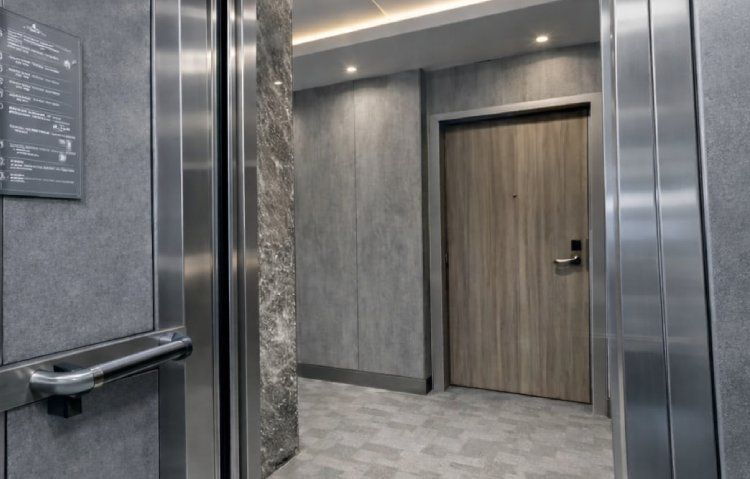
Industrial Elevator Modernization Challenges and Hidden Costs
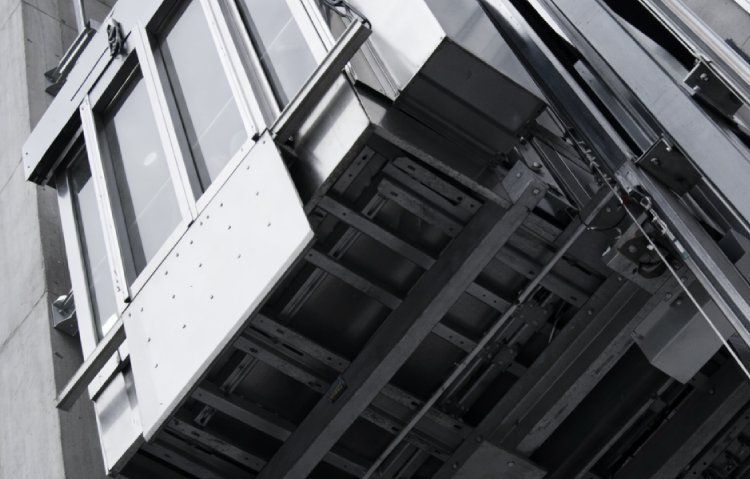
Industrial facilities depend heavily on freight elevators and heavy-duty lift systems to move materials, machinery and personnel. Without modernization planning, these systems experience accelerated wear, rising downtime, and growing operational risks.
Aging Elevator System Risks in Industrial Facilities
Industrial elevators often operate for decades beyond their intended service life. As mechanical parts age and electronic systems get outdated, their reliability goes down. Facilities that delay elevator upgrades face more maintenance problems and unexpected breakdowns.
Common risks associated with aging elevator systems include
- Worn traction machines and drive assemblies
- Outdated relay-based control systems
- Electrical failures caused by deteriorating wiring
- Hydraulic leaks and inefficient pump systems
- Obsolete safety components and sensors
- Increased vibration and poor ride quality
Building operators are having trouble with older elevators as problems increase. Equipment failures stop operations and raise maintenance costs. In manufacturing environments, even a single elevator outage can halt production lines, delay shipments and interrupt supply chain logistics.
Proactive elevator modernization services reduce operational risk and restore system reliability. Modern control systems, updated drive technology and improved safety components extend equipment lifespan while reducing maintenance costs. Schedule a modernization assessment today to prevent operational disruptions before they occur.
Elevator Downtime Cost for Buildings
Many property owners underestimate the real financial impact of elevator downtime. When a lift system stops functioning, consequences extend far beyond the immediate repair cost.
Operational disruptions caused by elevator outages may include
- Production delays within manufacturing facilities
- Tenant complaints and reduced lease renewals
- Inefficient workflow for maintenance staff
- Increased emergency repair expenses
- Damage to building reputation and market value
Commercial properties need reliable elevators. When elevators break down, building operations slow down. Employees become less productive, tenants experience inconvenience, and visitors form negative impressions.
Strategic elevator modernization planning improves operational continuity while reducing long-term service costs. Upgrading outdated components ensures faster performance, improved reliability and fewer service interruptions. Investing in modernization today helps prevent costly downtime tomorrow.
Outdated Elevator Control Systems and Equipment Obsolescence
Many aging elevators still rely on relay-based controllers or outdated microprocessor technology. These systems were reliable decades ago, but today they present serious operational challenges.
Outdated elevator control systems often create the following problems
- Discontinued replacement parts and components
- Extended repair times due to specialized diagnostics
- Inconsistent elevator dispatch performance
- Higher energy consumption and operating costs
- Difficulty integrating modern safety technology
As equipment ages, elevator equipment obsolescence becomes unavoidable. Building owners often shift into reactive maintenance mode, constantly repairing outdated components rather than implementing permanent solutions.
Strategic elevator equipment replacement planning addresses these issues before major system failure occurs. Modern microprocessor controllers improve traffic management, reduce wait times and enhance overall passenger experience. Upgrading control systems helps technicians find problems early. This early detection can lower repair costs.
Understanding Elevator Modernization Cost Analysis
A comprehensive modernization cost analysis helps property owners understand the true financial impact of delaying upgrades. Instead of focusing solely on project cost, lifecycle analysis evaluates long-term ownership expenses.
Elevator Lifecycle Cost Analysis
Elevator systems typically require major modernization after 20 to 30 years of service. However, many buildings attempt to extend this lifecycle far beyond its intended range through ongoing repairs.
A lifecycle cost analysis compares two key scenarios
- Continuing maintenance on aging equipment
- Investing in a planned modernization project
Important lifecycle factors include
- Projected long-term maintenance expenses
- Emergency repair frequency
- Component replacement costs
- Reliability trends and failure rates
- Energy consumption patterns
When analyzed over time, modernization frequently becomes the most cost-effective solution. Repair costs for aging systems often exceed modernization expenses within a few years. A professional lifecycle analysis helps building owners identify the optimal upgrade timeline.
Elevator Modernization Feasibility Study
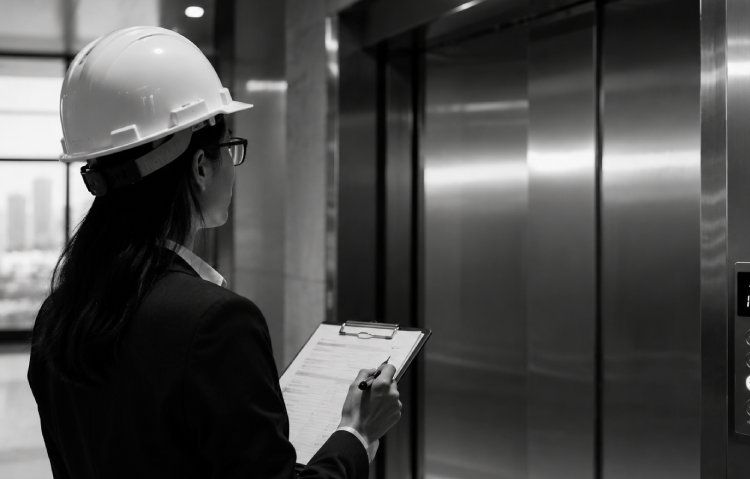
Before beginning any upgrade project, experts perform a detailed elevator modernization feasibility study. This analysis looks at the current technical conditions, possible modernization options, and financial factors.
Key elements of a feasibility study include
- Comprehensive system inspections
- Controller and drive equipment evaluations
- Safety compliance assessments
- Upgrade scope recommendations
- Budget projections and scheduling strategies
This process ensures that modernization plans align with operational needs and building infrastructure. Property owners receive a clear modernization roadmap that balances reliability improvements with financial efficiency.
A feasibility study helps avoid unexpected problems during a project. With careful planning, modernization can happen smoothly and cause little disruption for building occupants.
Frequently Asked Questions
Delaying elevator upgrades can result in higher maintenance costs, lost production and safety code violations. Understanding these risks helps building owners decide when and how to make changes.
What are the long-term financial impacts of postponing elevator modernization?
Delaying modernization does not eliminate costs—it redistributes them across time while adding new ones. Aging components require more frequent repairs, and replacement parts for obsolete systems are often expensive or difficult to source.
Modernization projects are estimated at approximately $175,000 per car when planned strategically. Emergency repairs, repeated service calls and unplanned downtime can push deferred costs well beyond that figure over a multi-year period.
We also see indirect financial impacts. Tenant dissatisfaction, lease losses and declining property value are real consequences that rarely appear in a simple maintenance budget comparison.
What risks do aging elevator systems pose to industrial facilities?
Industrial elevators operate under demanding conditions—heavy loads, heat, dust, and continuous cycles that accelerate mechanical wear. When modernization is deferred, worn traction machines, degraded hydraulic systems, and outdated relay-based controllers become points of failure.
Parts for legacy systems are increasingly scarce. When a critical component fails and no replacement is available, the entire elevator may be taken out of service for an extended period.
Safety is an important issue. Old safety components may not meet current code requirements. This can put facility operators at risk of liability and potential regulatory actions.
How does elevator downtime affect building operations and costs?
In industrial facilities, a single elevator outage can halt material movement, delay shipments and disrupt production schedules. The financial loss from one day of downtime often exceeds the cost of the repair itself.
For commercial and residential buildings, the impact shifts toward tenant experience. Persistent outages lead to complaints, lease non-renewals and reputational damage that affects occupancy rates.
We consistently find that building owners focus on the repair invoice while underestimating the operational cost of the disruption surrounding it.
What challenges do outdated elevator control systems present?
Older relay-based control systems are slow, inefficient, and increasingly difficult to service. Technicians familiar with legacy relay logic are rare, which drives up labor costs and extends repair timelines.
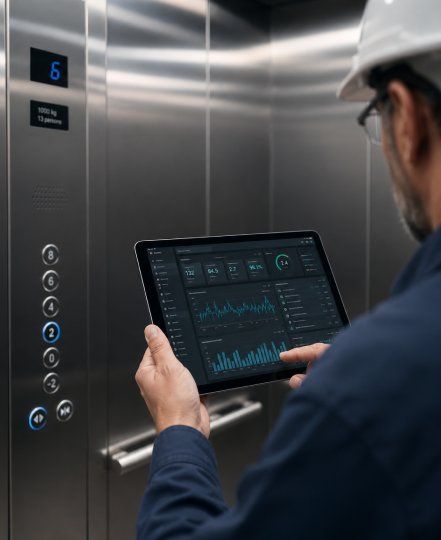
Modern control systems offer diagnostics, remote monitoring, and integration with building automation platforms. Outdated systems provide none of these capabilities, making it harder to anticipate failures before they occur.
Code compliance is another issue. Electrical and safety code requirements have evolved, and older control systems may require urgent retrofits to remain legally operable.
What is involved in a comprehensive elevator modernization cost analysis?
A thorough cost analysis evaluates the current condition of mechanical, electrical, and control components. It also accounts for the projected cost of continued maintenance against the cost of a planned modernization.
We include lifecycle assessments that estimate remaining useful life for key components. This allows building owners to identify which systems are approaching failure and prioritize upgrades accordingly.
The analysis should also factor in indirect costs—downtime losses, code compliance expenses, and tenant impact—to produce an accurate picture of the true financial risk of deferral.
Why is strategic planning important for commercial elevator modernization projects?
Unplanned modernization projects are almost always more expensive than planned ones. Emergency procurement, accelerated timelines and reactive decision-making add cost at every stage.
Strategic planning allows building operators to sequence upgrades during low-traffic periods, budget accurately across fiscal years and select the right scope of work for each elevator car.
We also find that planned projects produce better outcomes in terms of safety compliance, system performance, and long-term reliability. Buildings that invest in advance planning consistently avoid the compounding costs that come with reactive maintenance cycles.
Plan Your Elevator Upgrade Before Costs Escalate
Waiting for elevators to break down leads to emergency repairs and unexpected downtime, increasing maintenance costs. Property owners should plan for upgrades instead. This way, they can choose when to start projects, lower the risk of operational problems and protect the long-term value of the property.
Professional elevator modernization consulting services provide lifecycle analysis, cost evaluation and technical guidance to support informed investment decisions. Through detailed assessments and modernization feasibility studies, building owners gain a clear roadmap for future upgrades.
Schedule a comprehensive elevator modernization evaluation today. Proactive planning improves system reliability, enhances passenger safety and prevents the costly consequences of deferred modernization.
Ready to work with Mountain Cross Consulting?
Let's connect! We’re here to help.
Send us a message and we’ll be in touch.
Or give us a call today at 224-500-0321
Agency Contact Form
More Marketing Tips, Tricks & Tools
Blog